


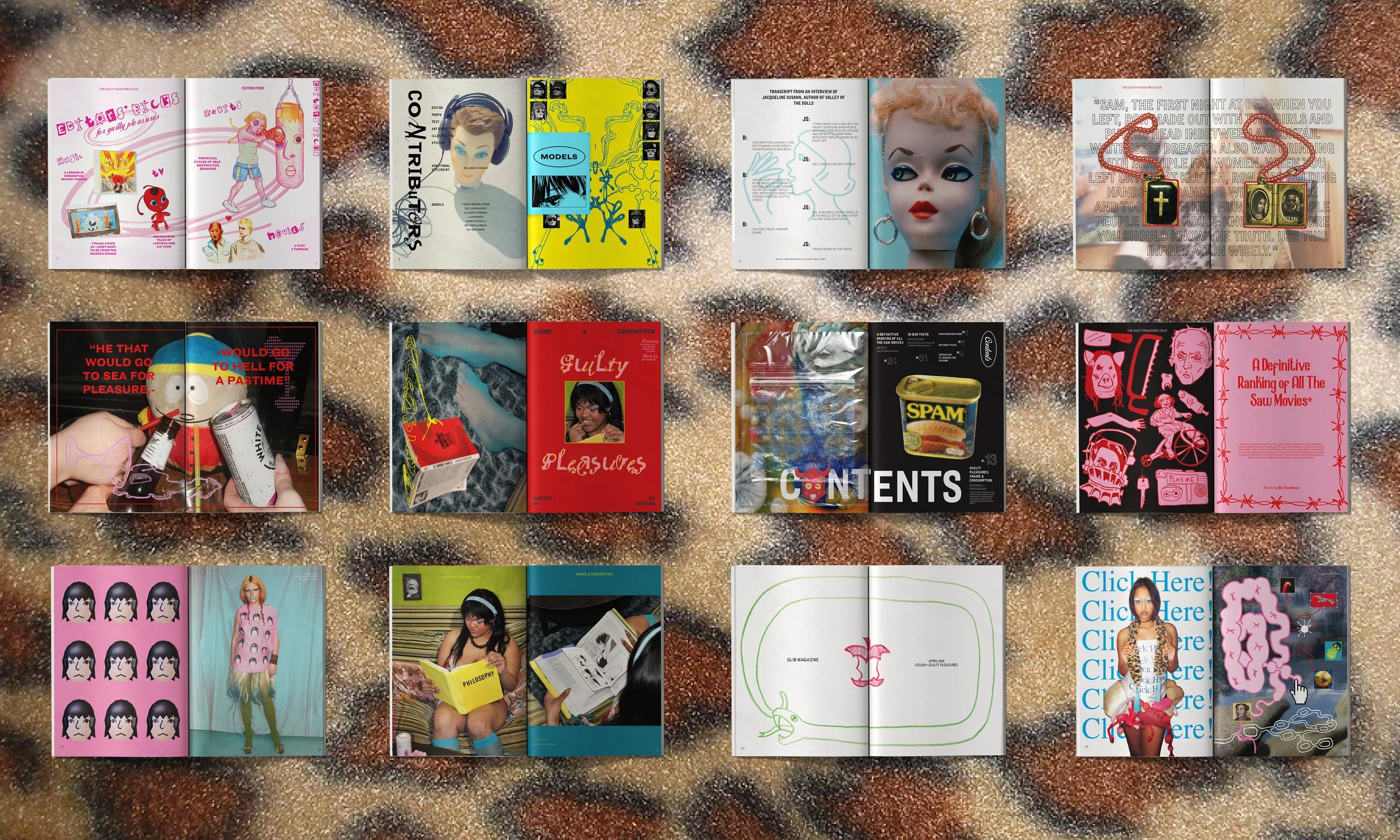
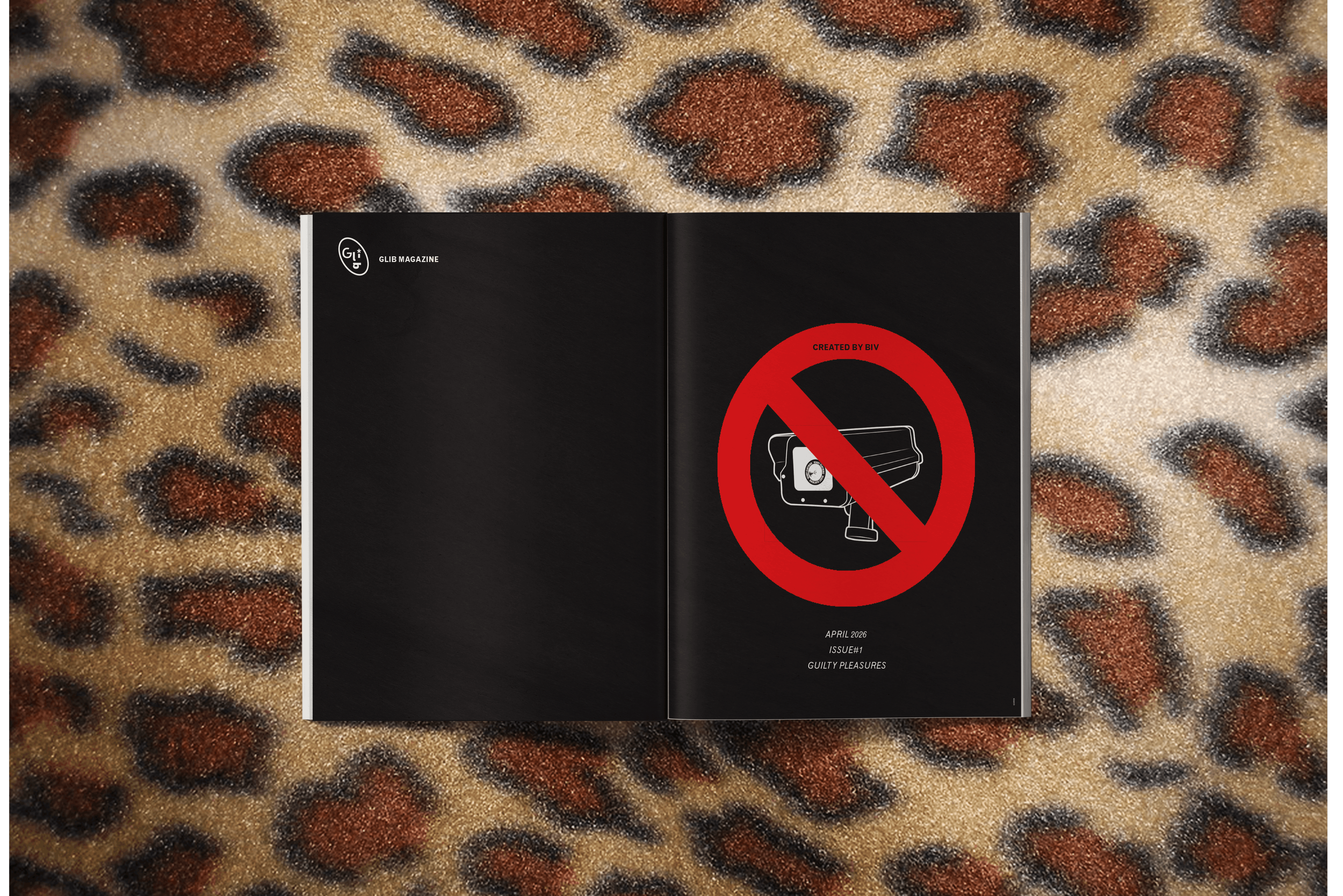
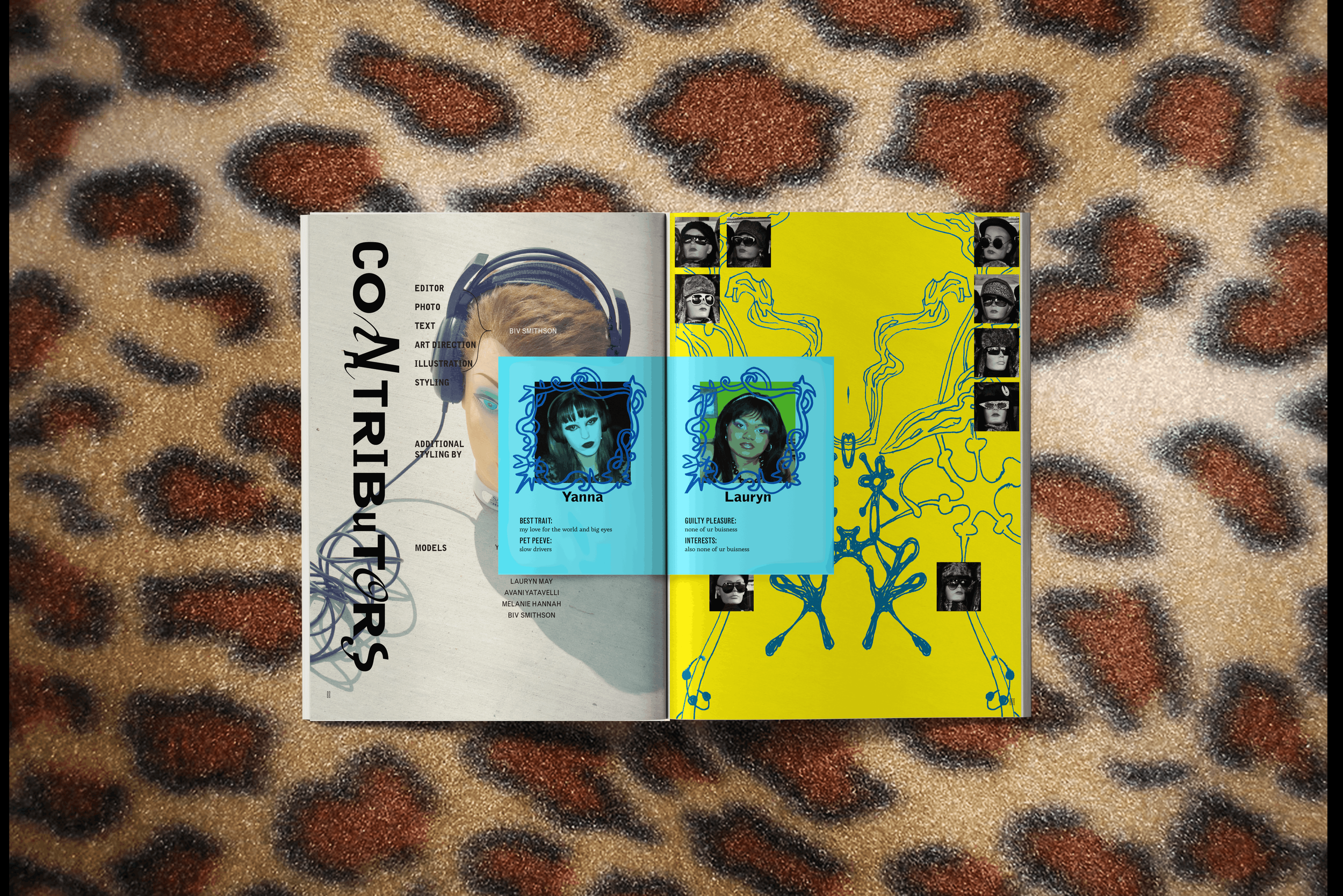
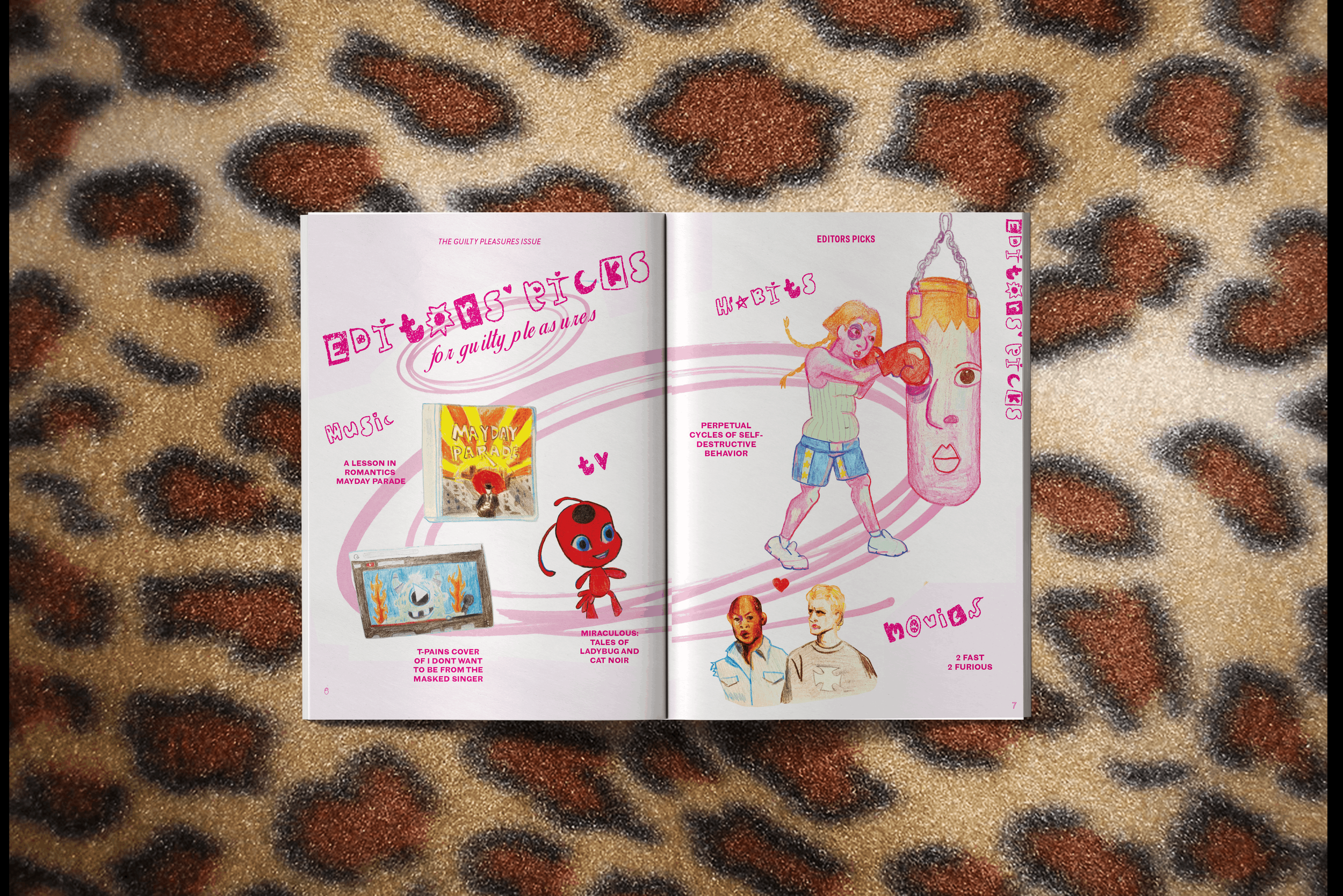
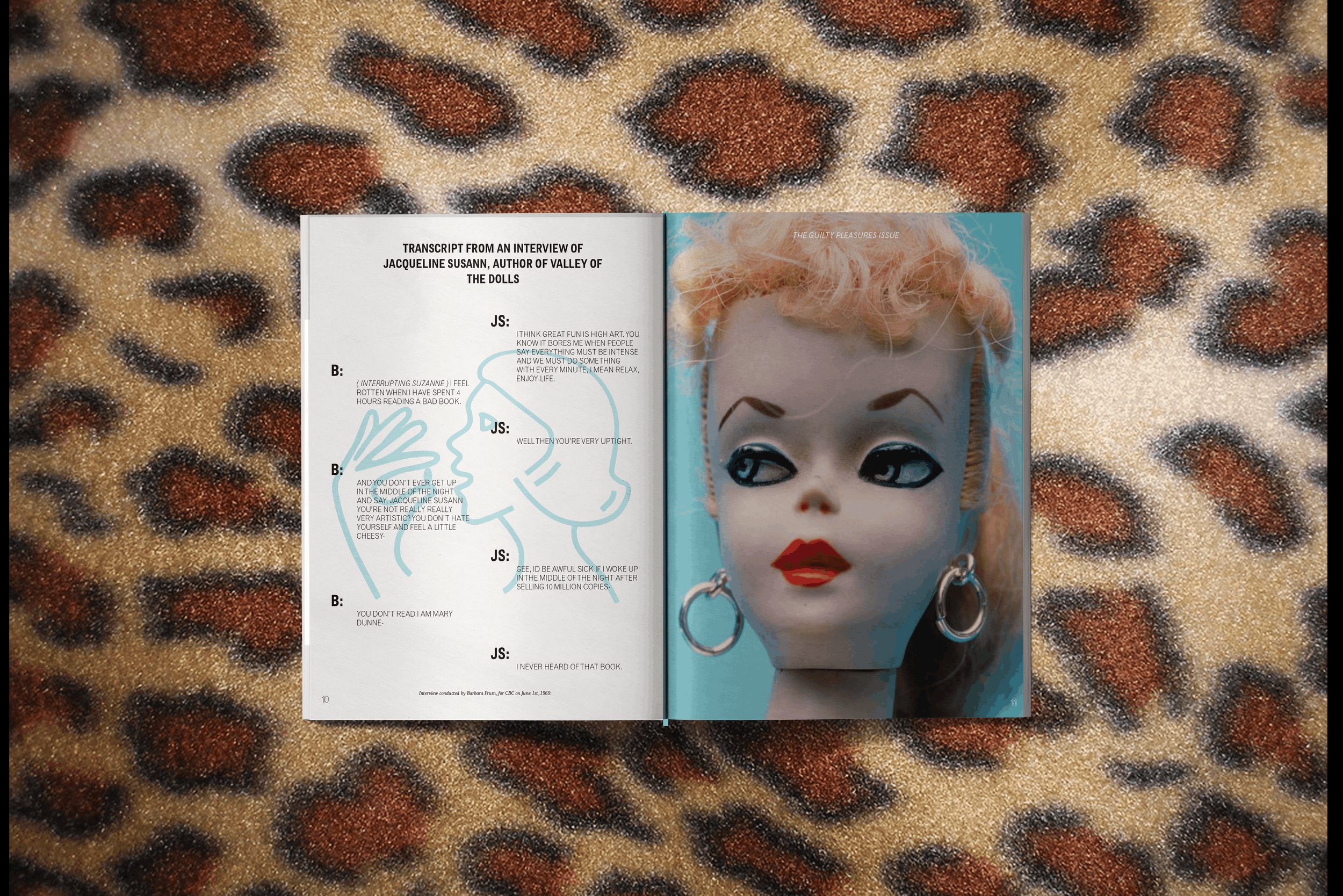
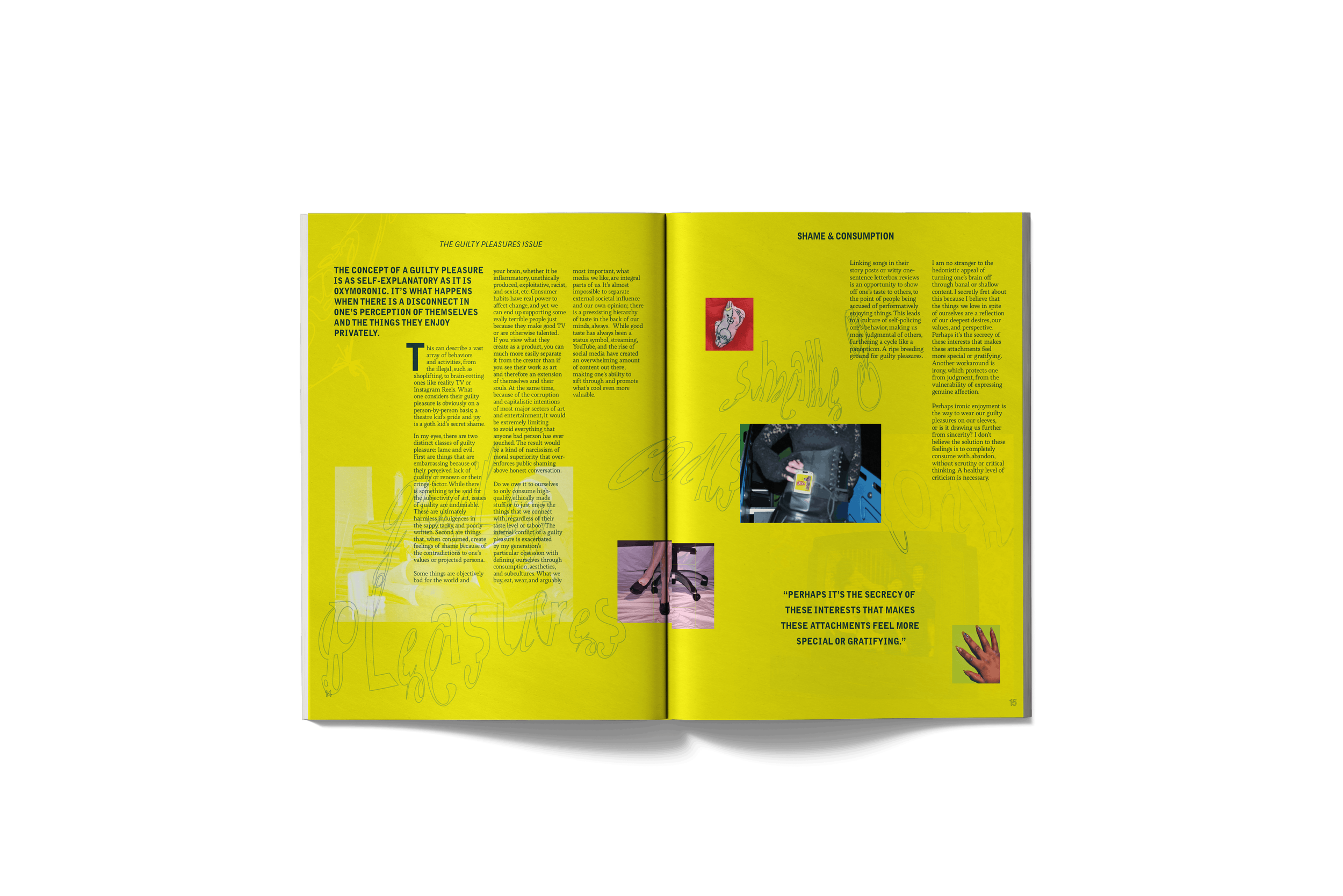
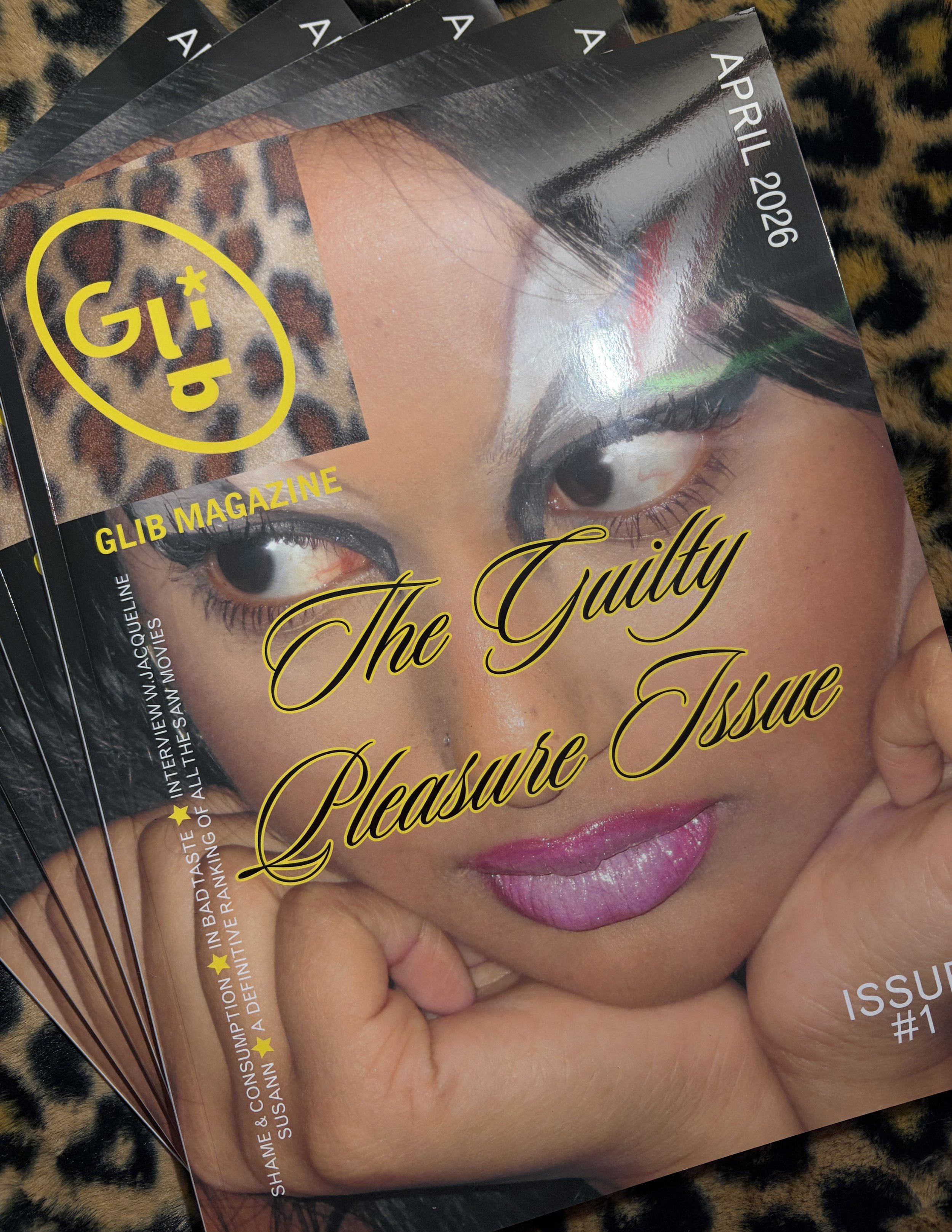
Glib magazine is a fashion/pop culture magazine, made entirely by me for my senior thesis. The theme of my inaugural issue is “Guilty Pleasures”, mainly focusing on the term as applied to entertainment and art. I was partially inspired by reading the Encyclopedia of Bad Taste. I want to explore ideas about high vs low art from a consumerist culture perspective, but in a tongue-in-cheek kind of way. The tone of the magazine is based on my own anxious fixation on whether we all would be happier if we were less judgmental of others' taste, or should we aspire to spend our short time on this earth doing something a little more meaningful than rotting our minds away on the vapid or trashy.

Glib Magazine
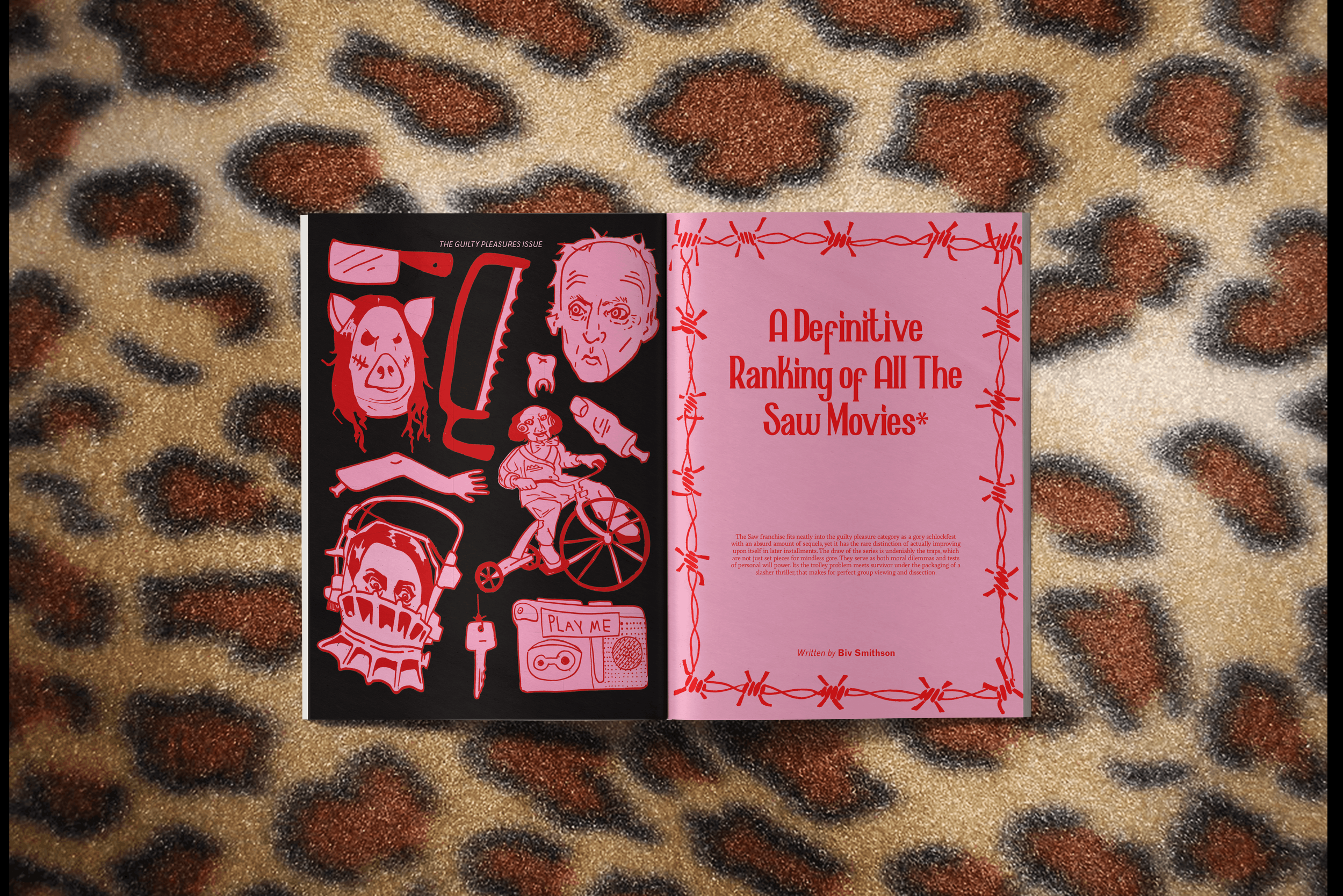
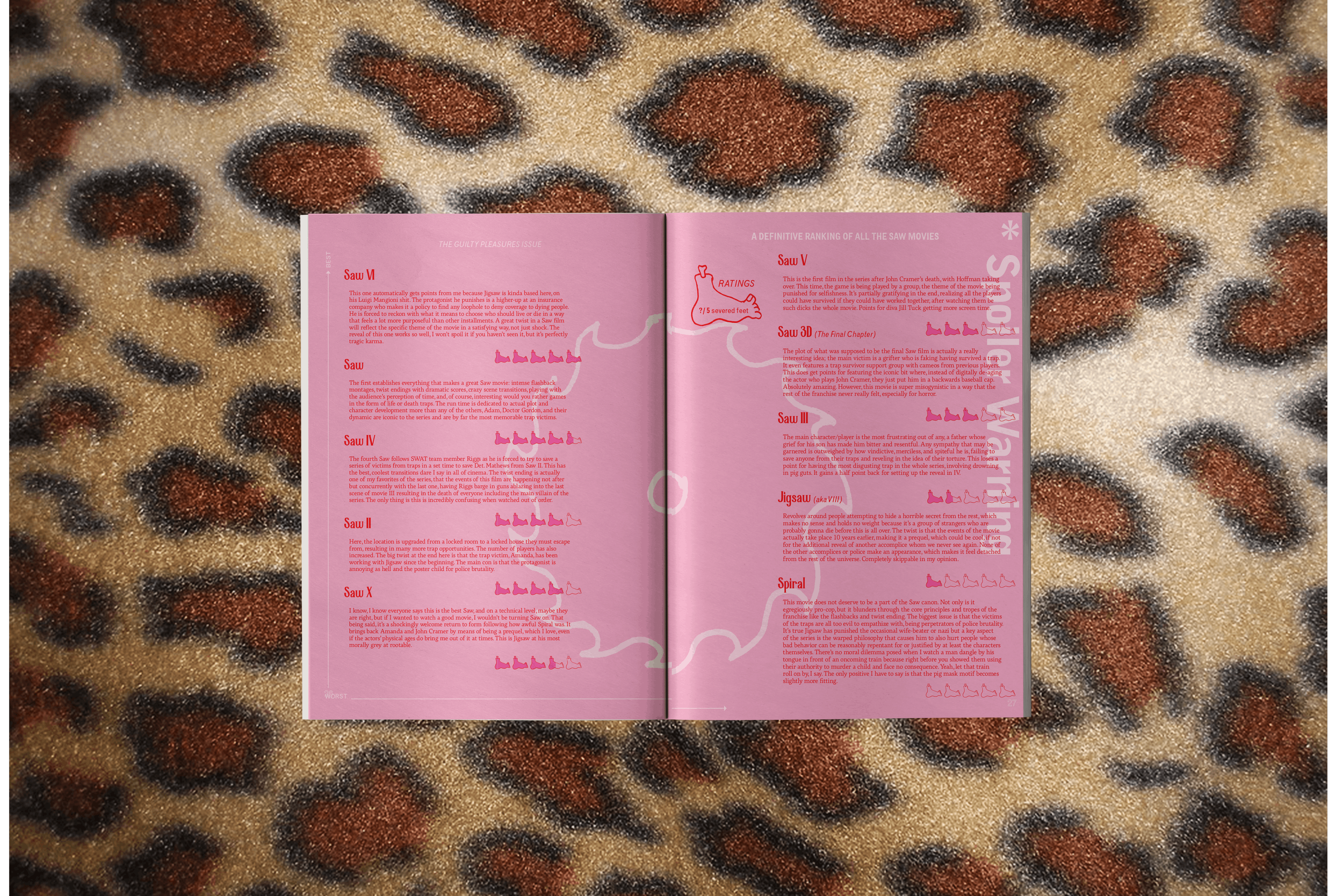
development
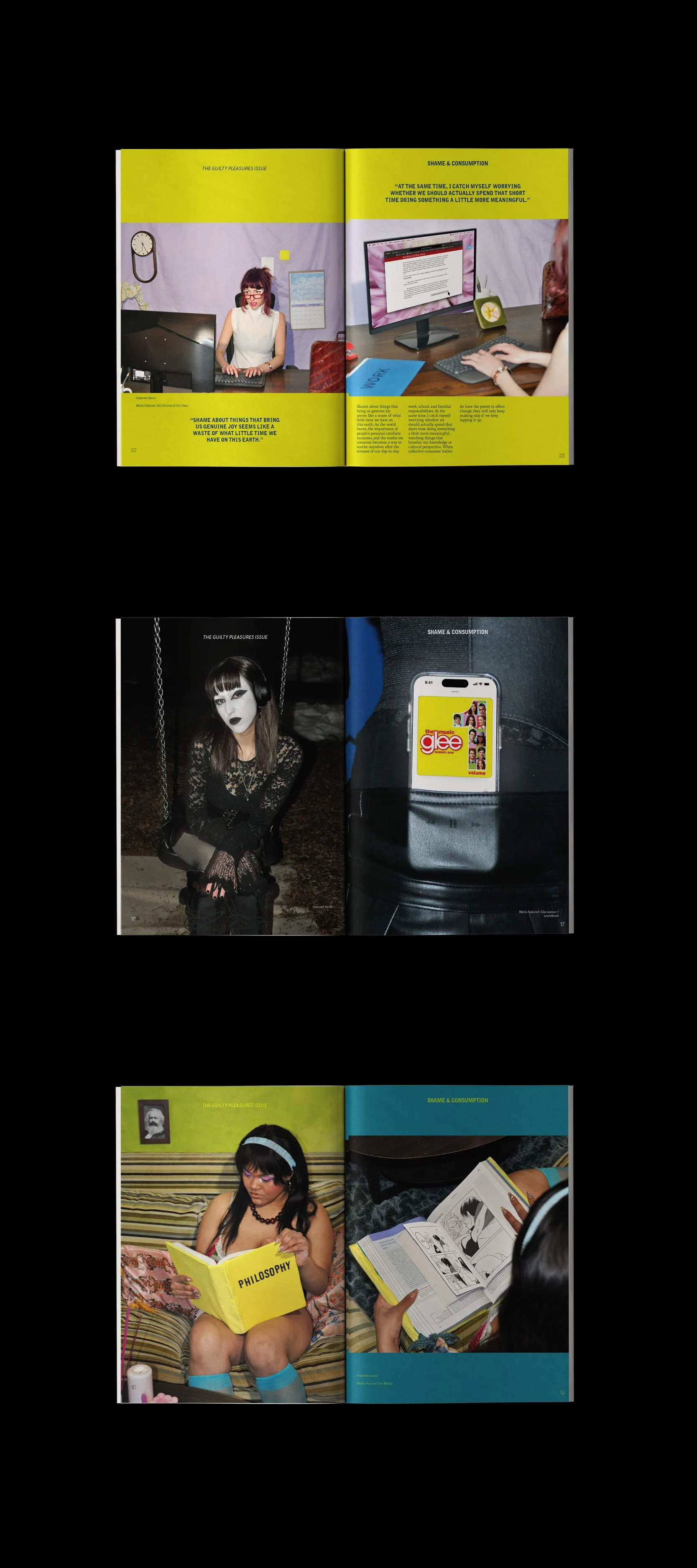
Photostory #1
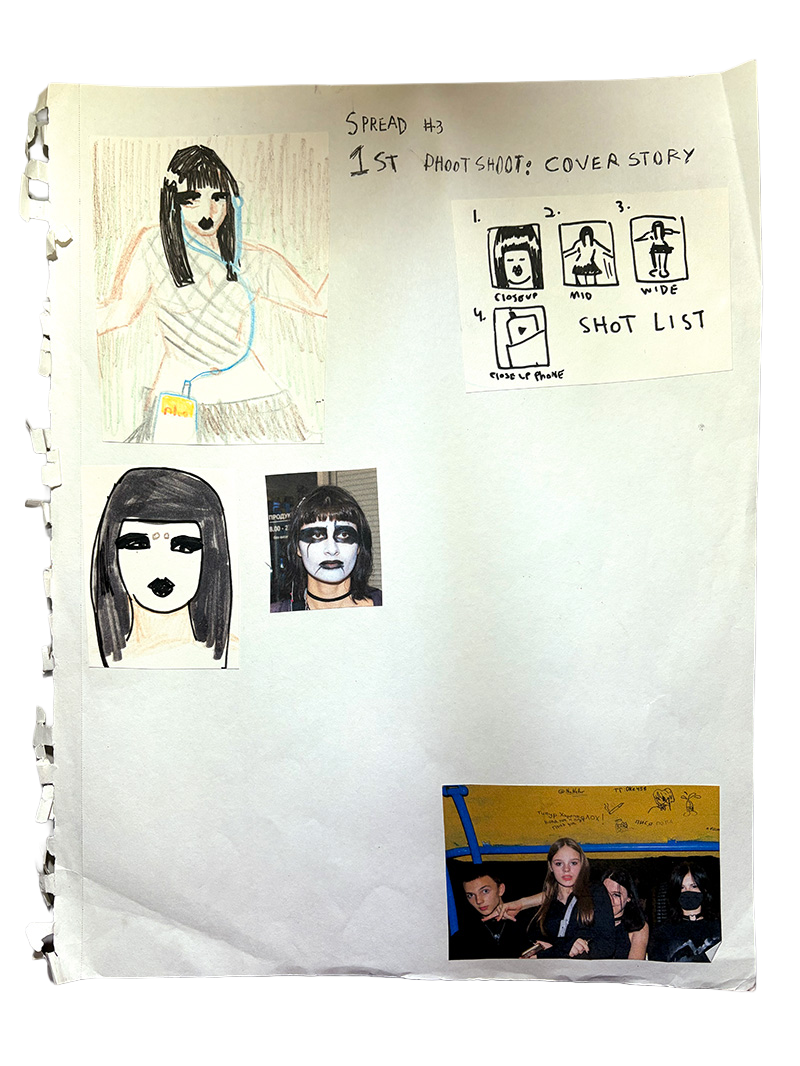
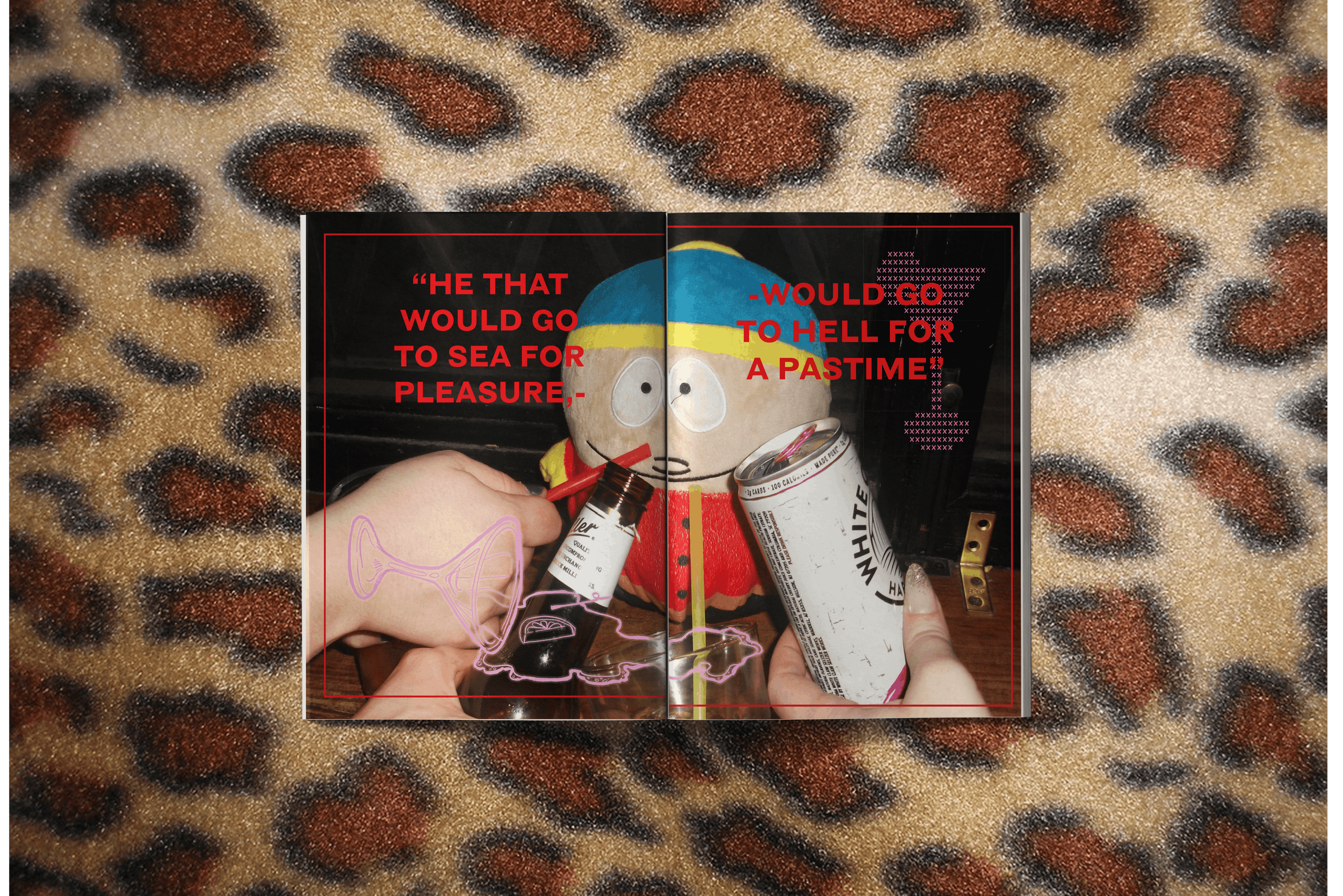
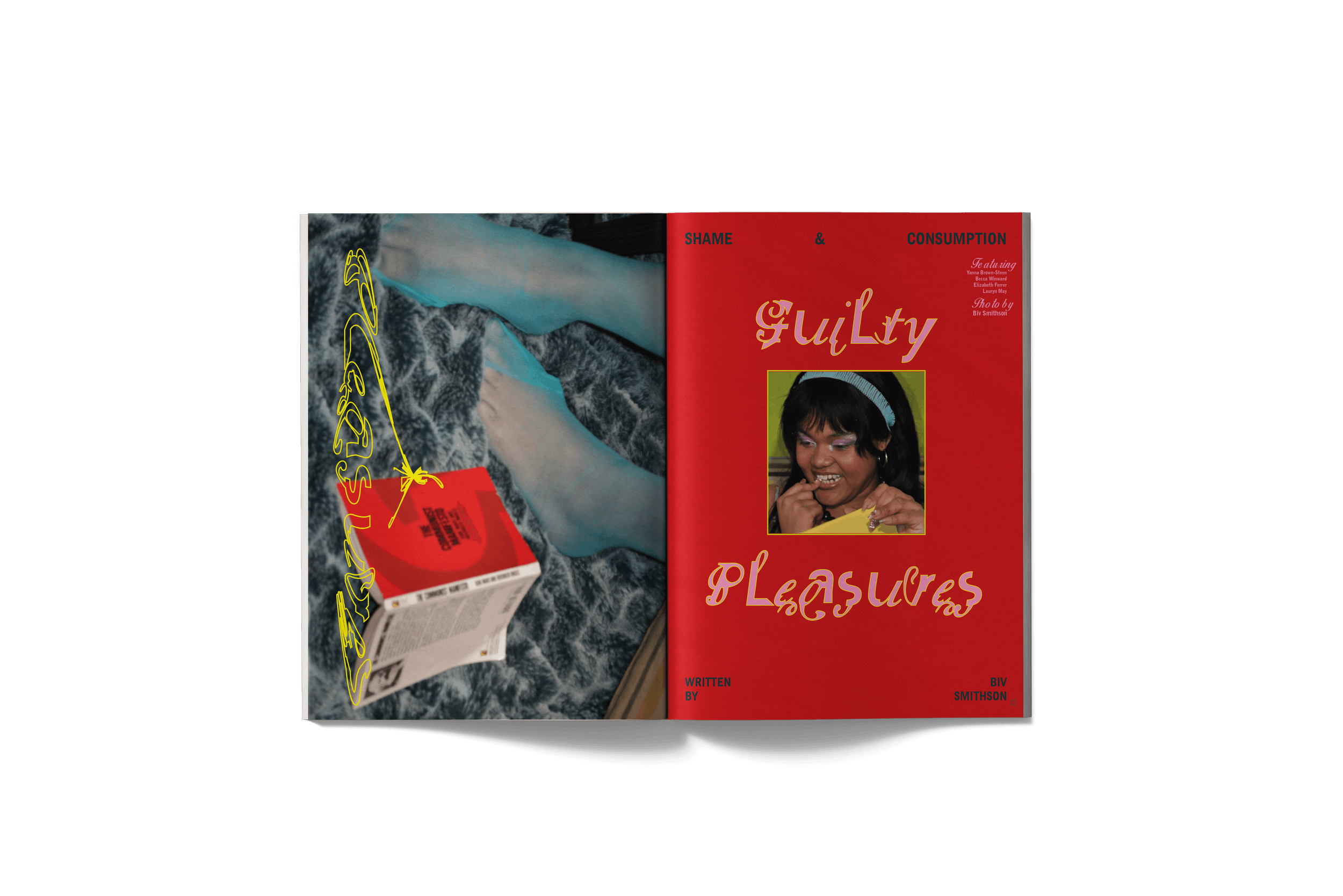
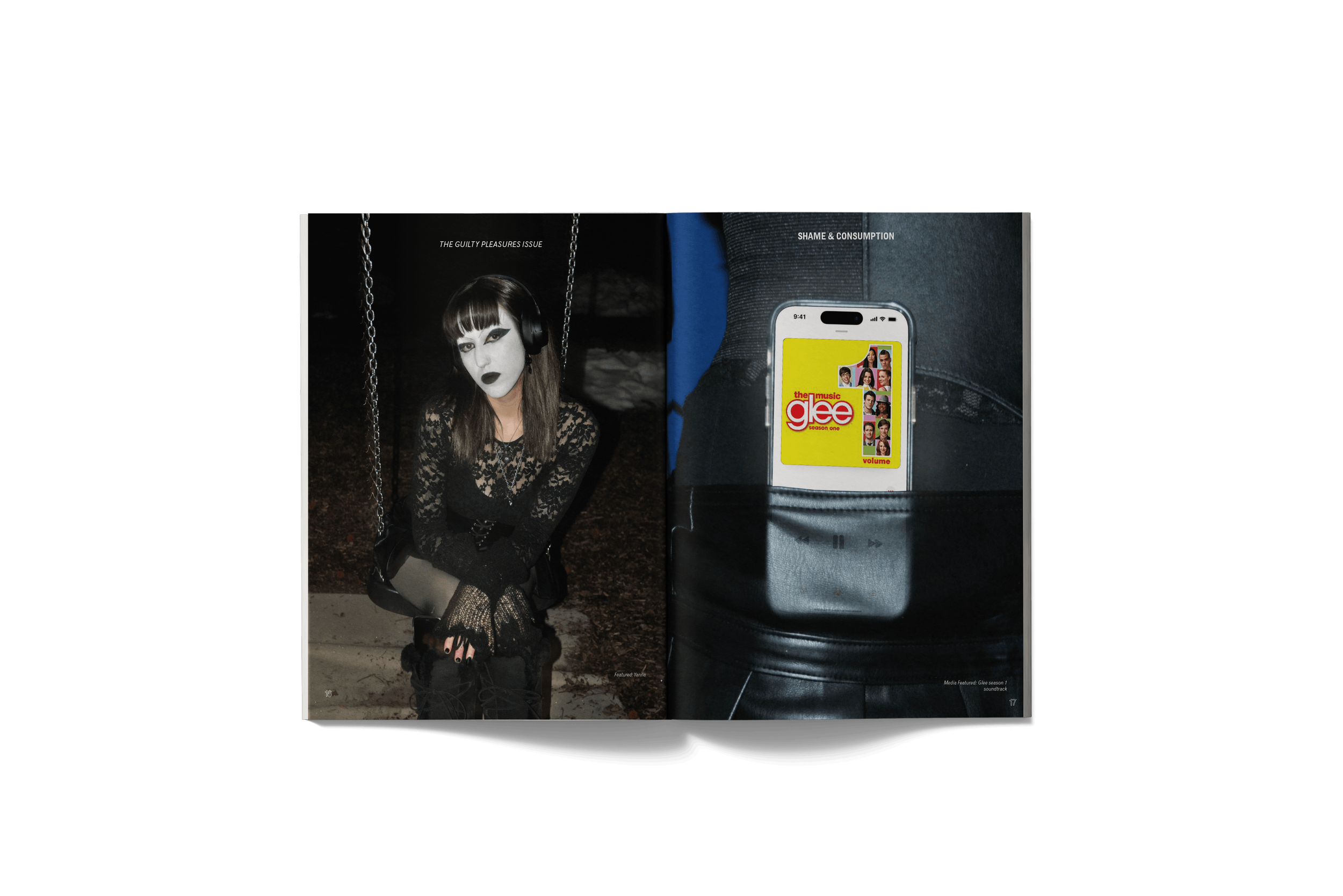
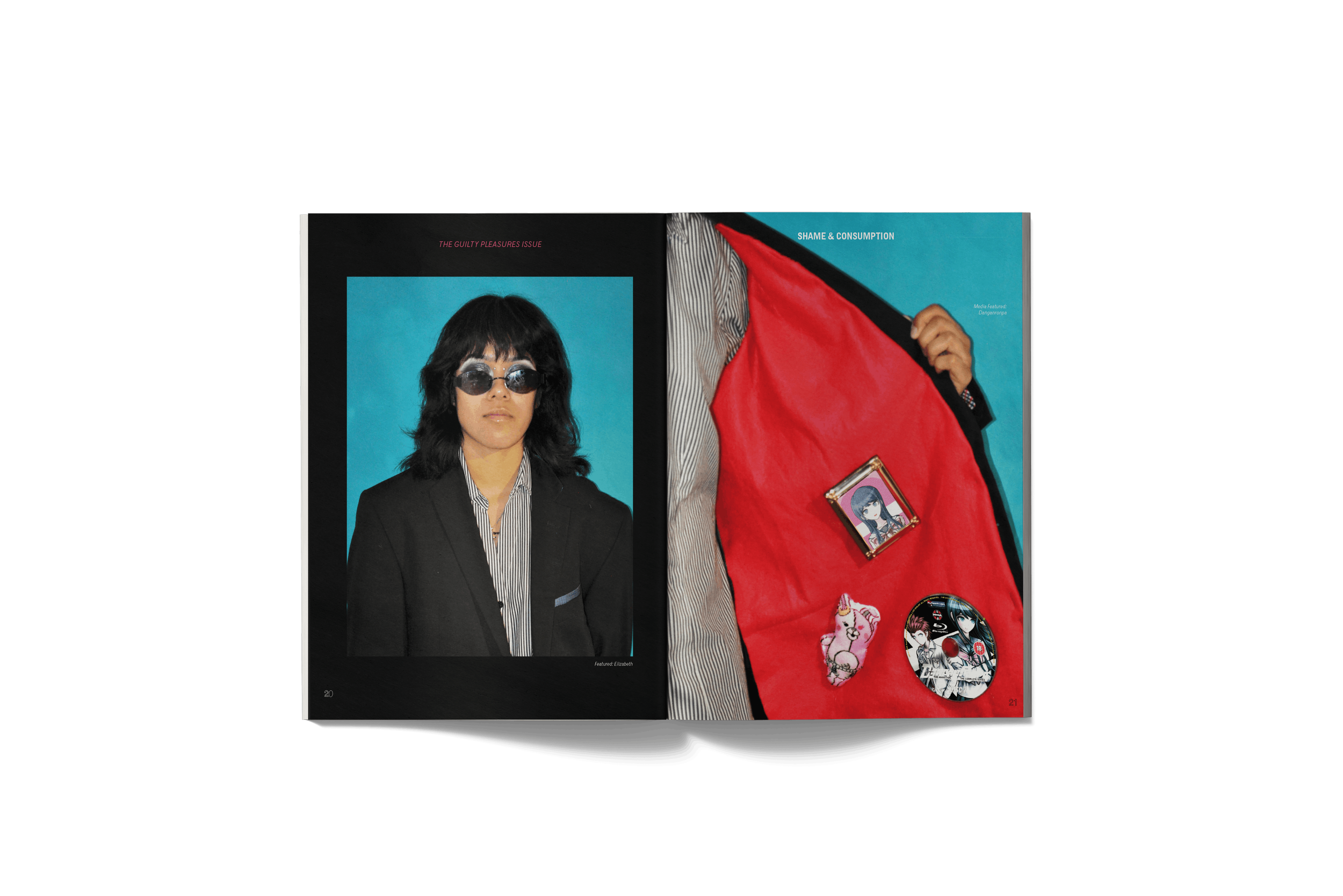
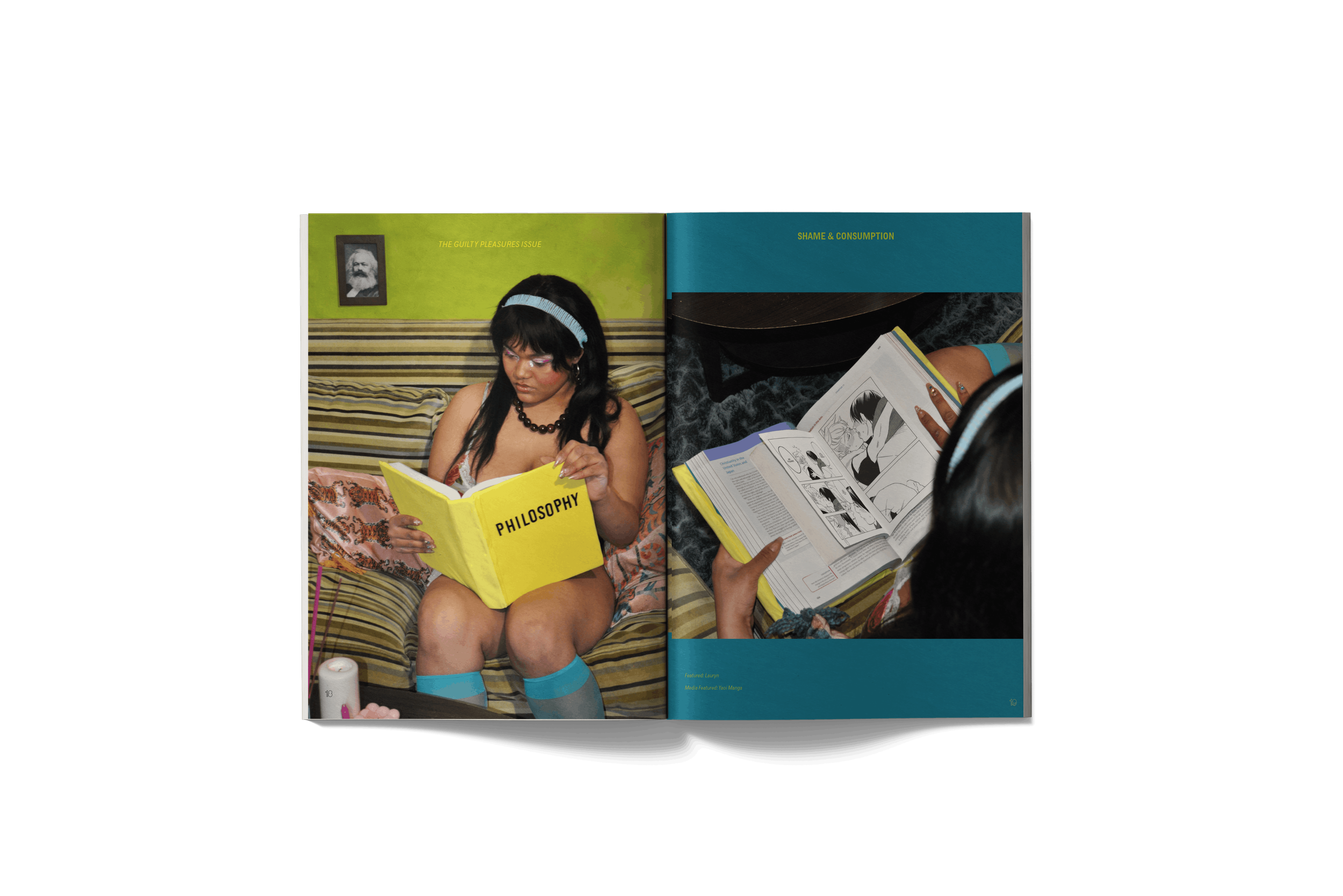
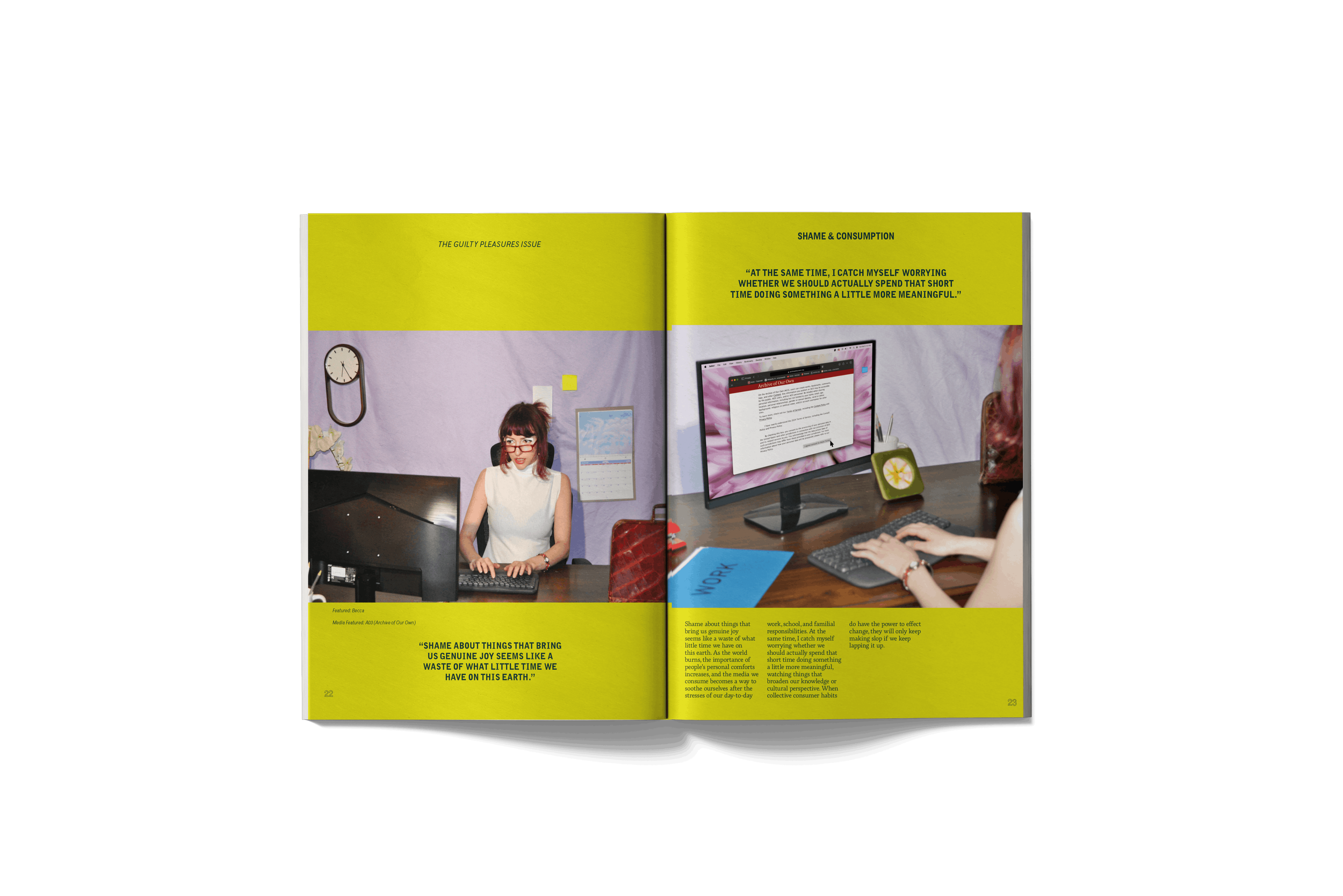
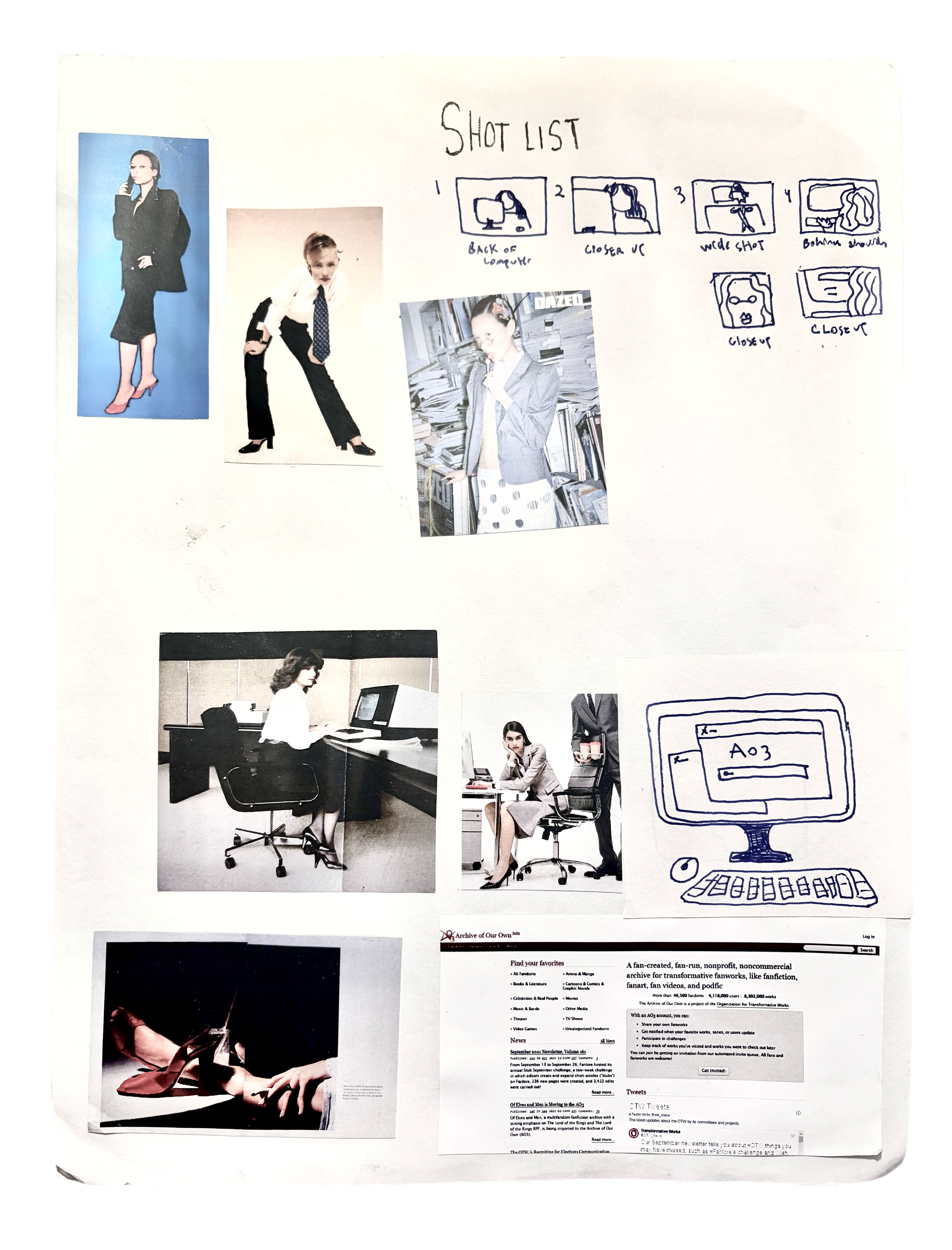
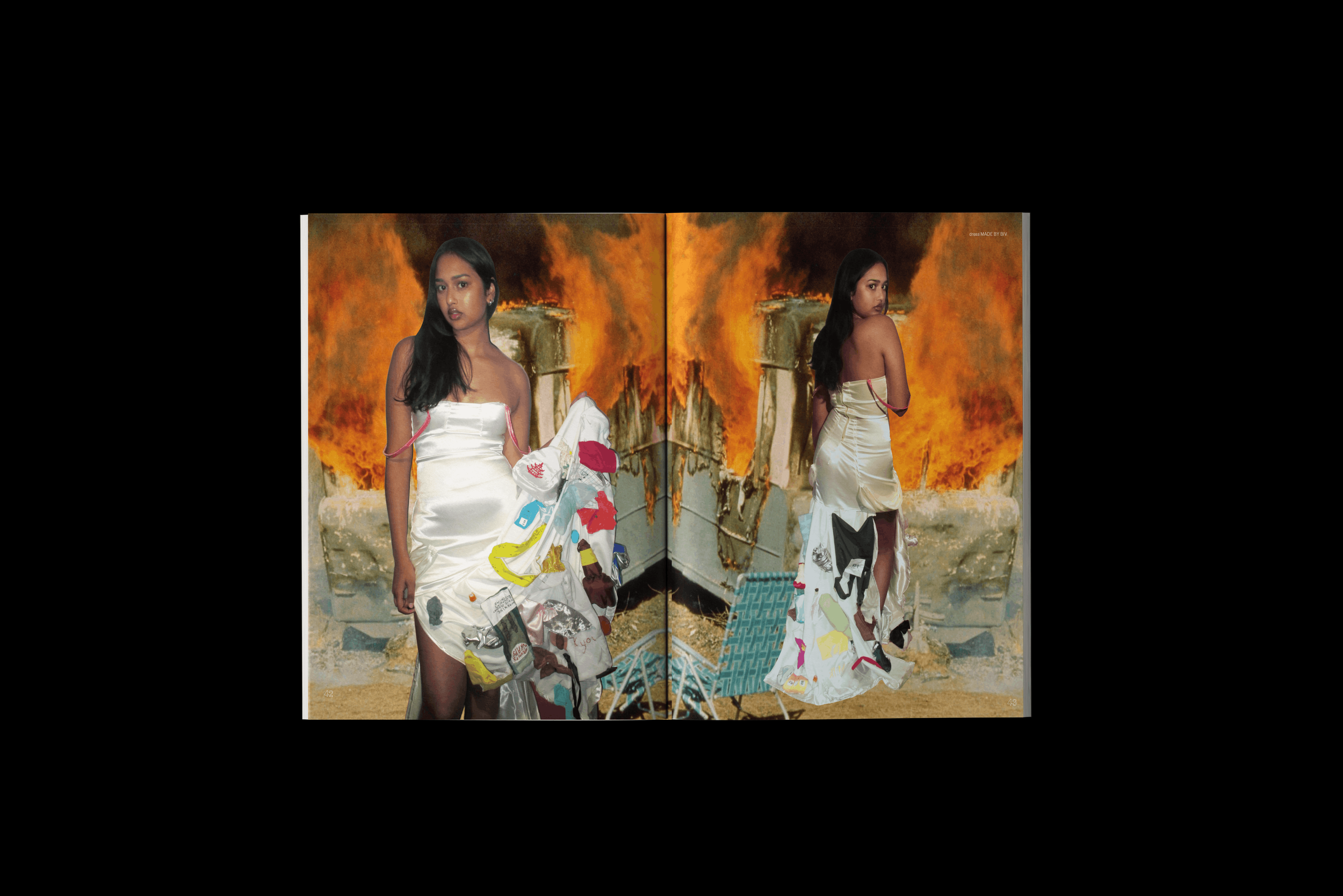
The solution to my issue topic was to essentially embrace that which embarrasses us while also using discretion with what isn't good for us or others. To make sure that I convey this message, the cover story is part opinion essay, part photostory. The concept for the photoshoot was secret shames when it comes to media consumption. It featured 2-part spreads where a character type is established through visual storytelling and then recontextualized by revealing some unexpected behavior on the right page, for example, a put-together office worker on one page and reading fanfiction at your desk on the next.
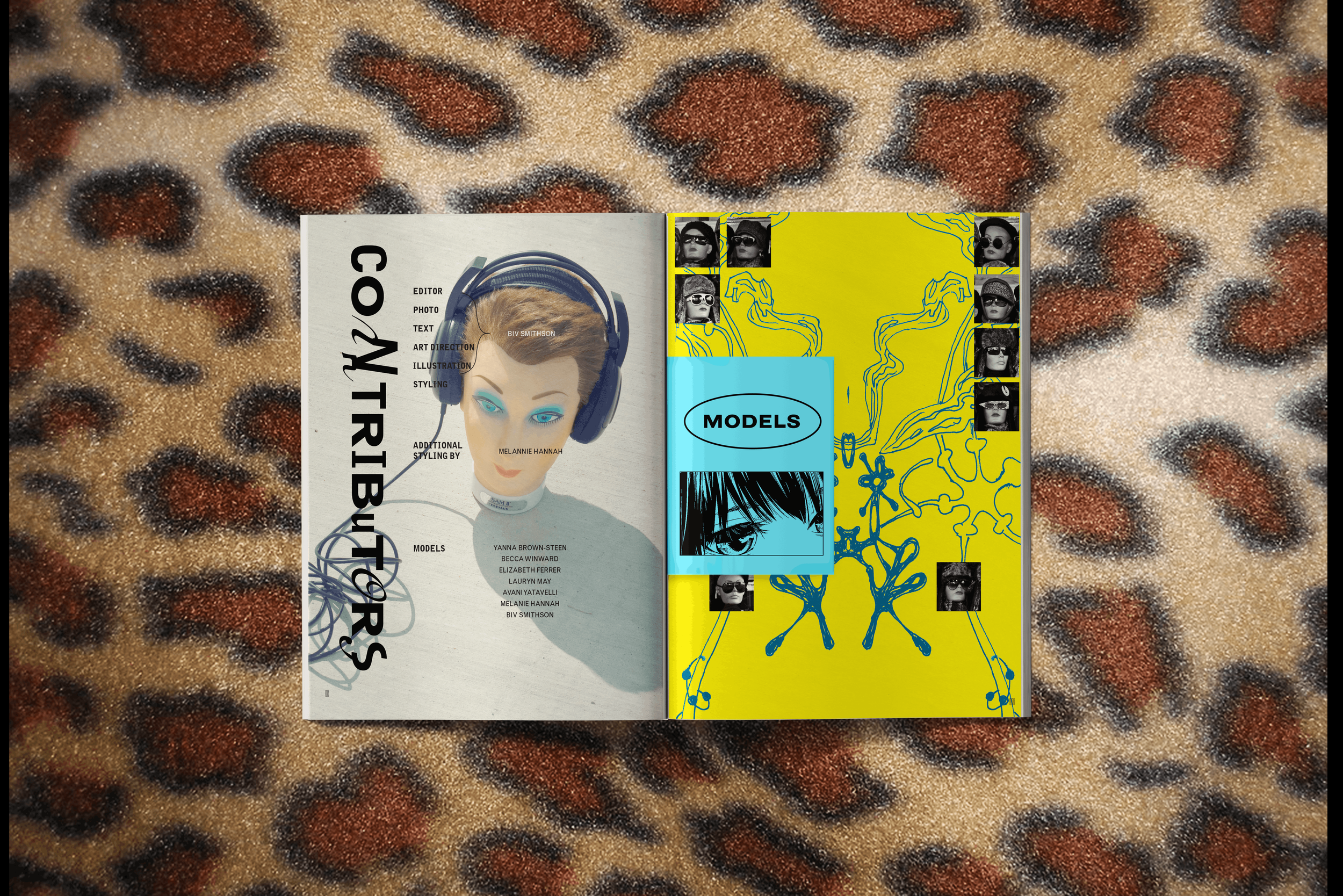
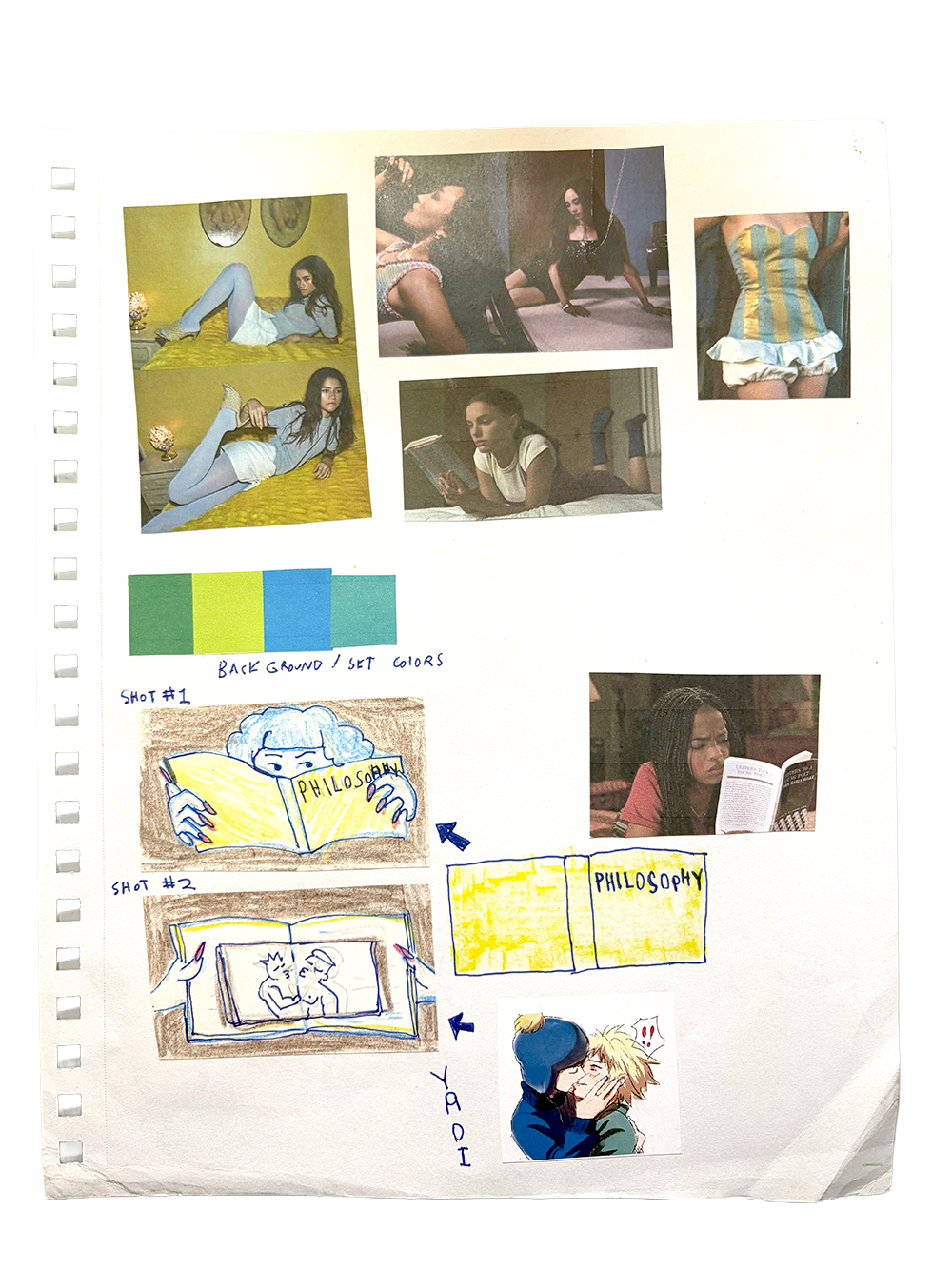
Collaboration with others was another aspect of this project that was new to me, but very exciting. When working with models, I learned one must treat them as artistic collaborators and not mannequins; they should also understand the project and have their own vision of it. This is where my moodboards were actually the most valuable to explain my ideas to them. My models ended up being really helpful sounding boards; I could bounce my ideas off both in shoots and while editing later.
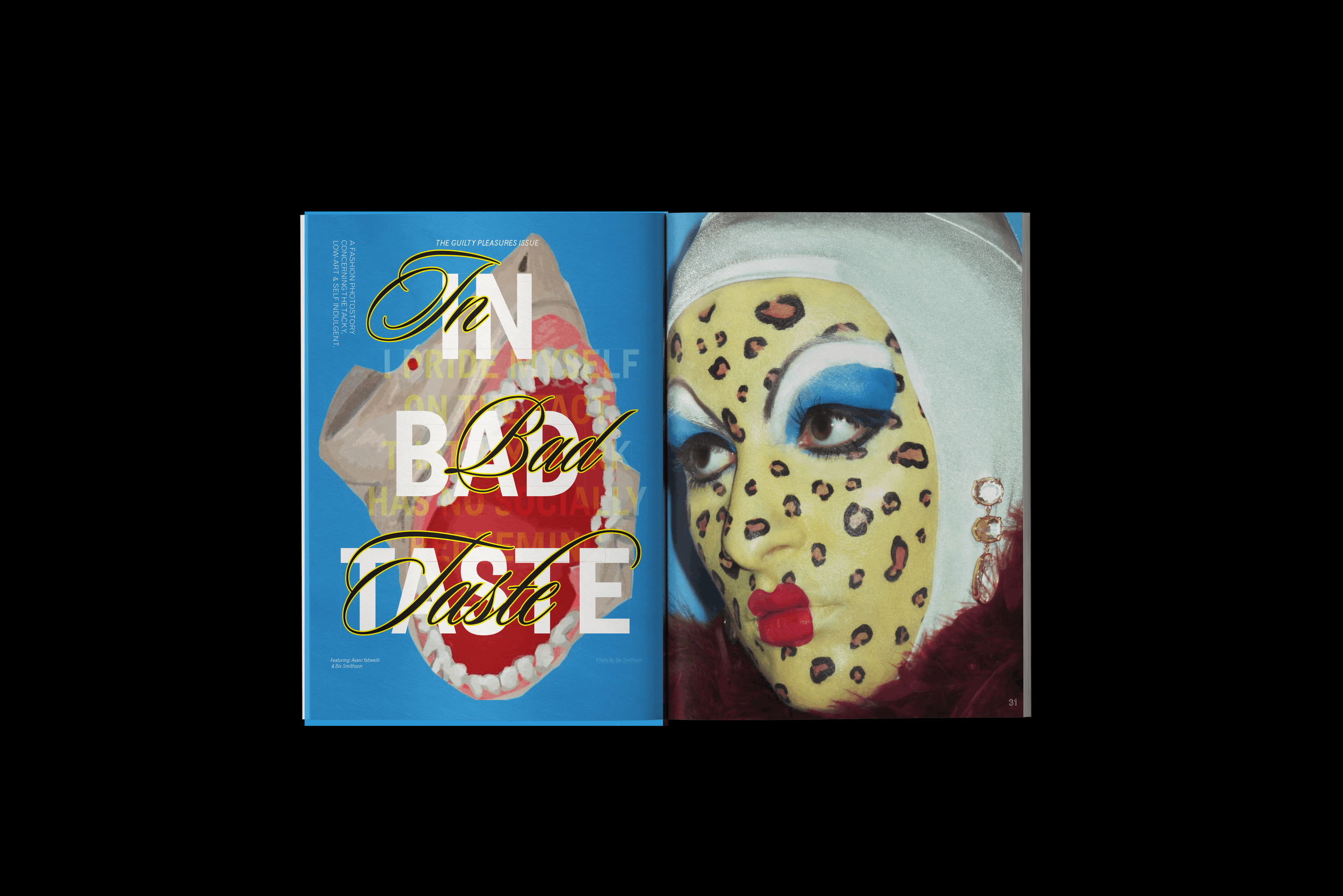
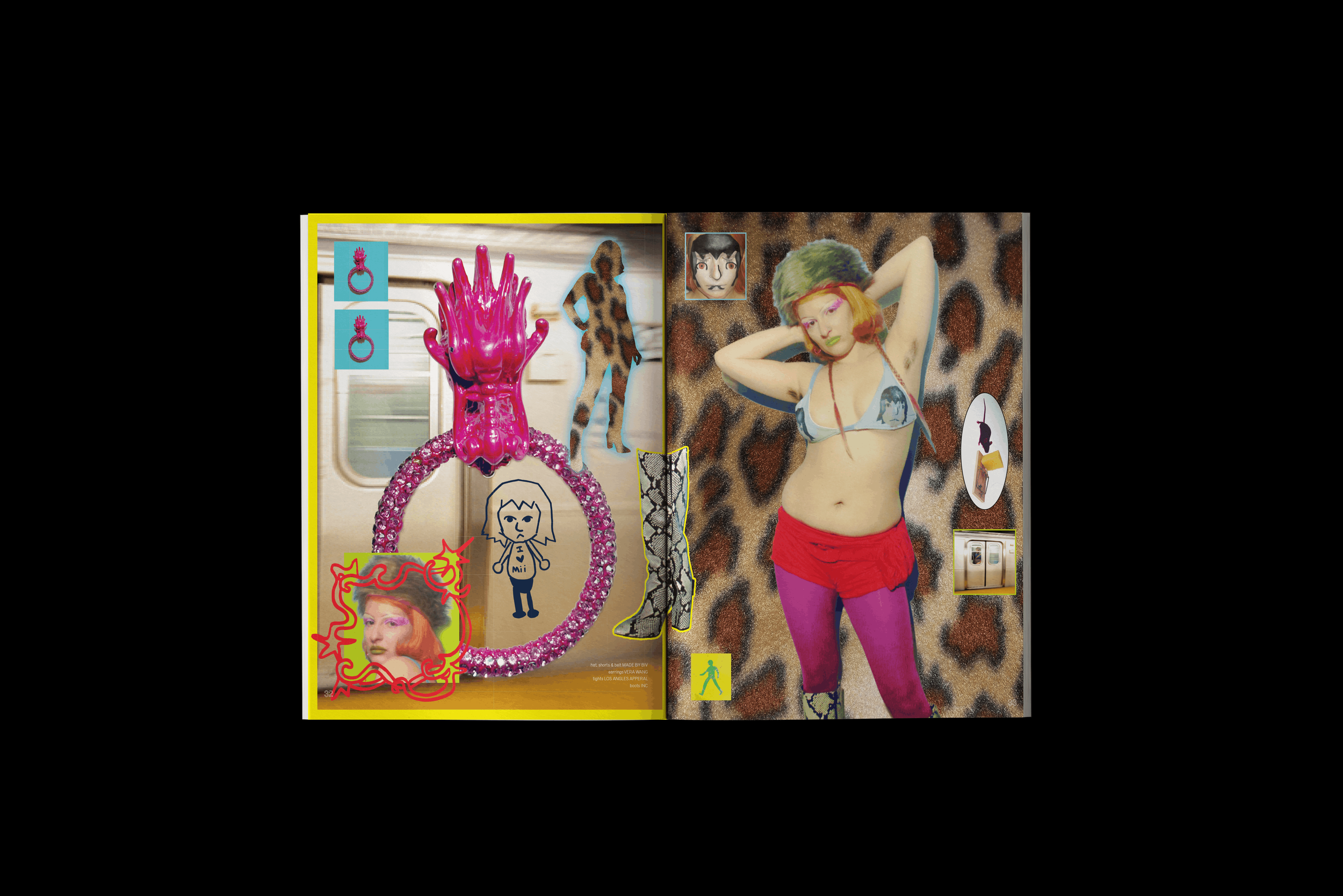
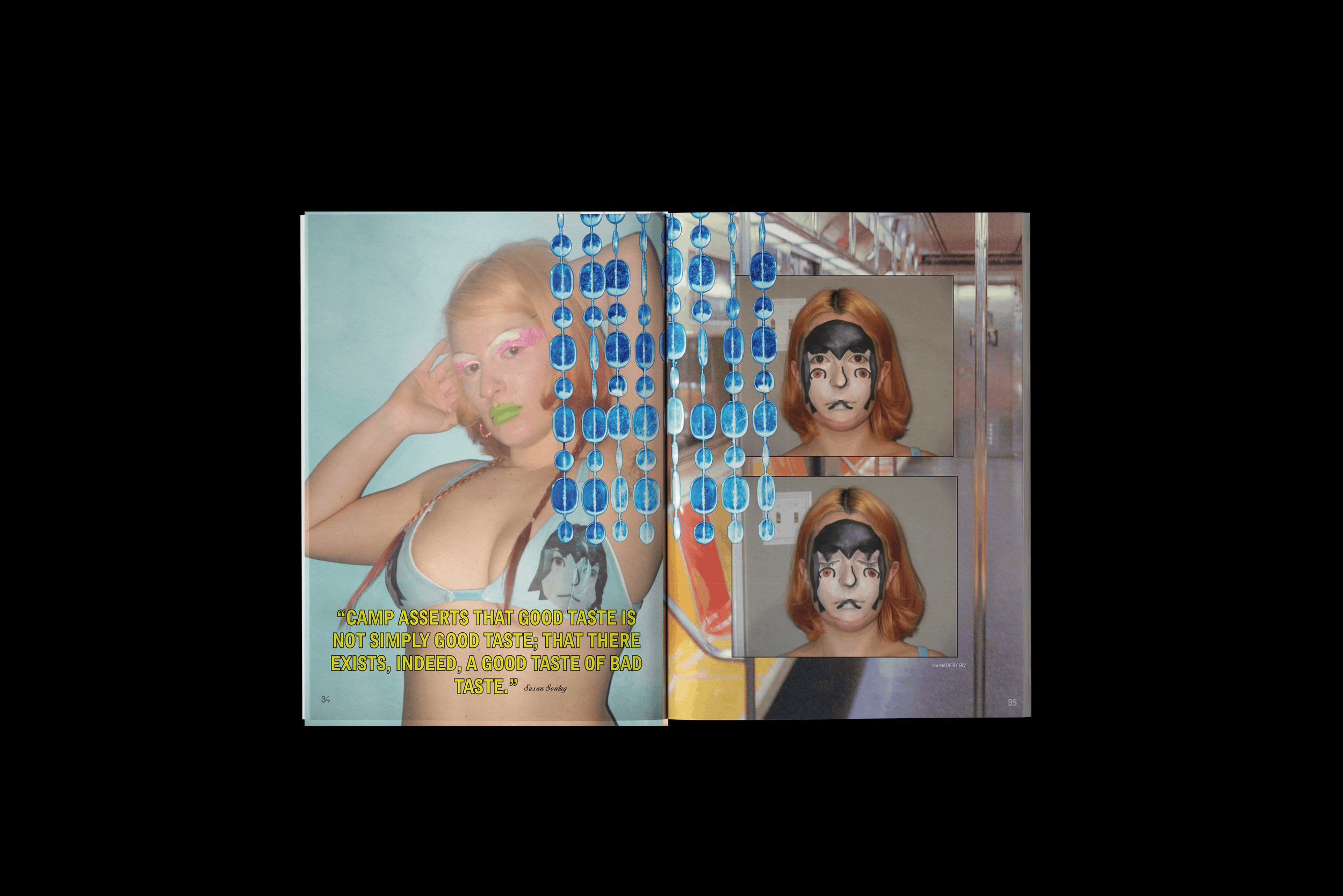
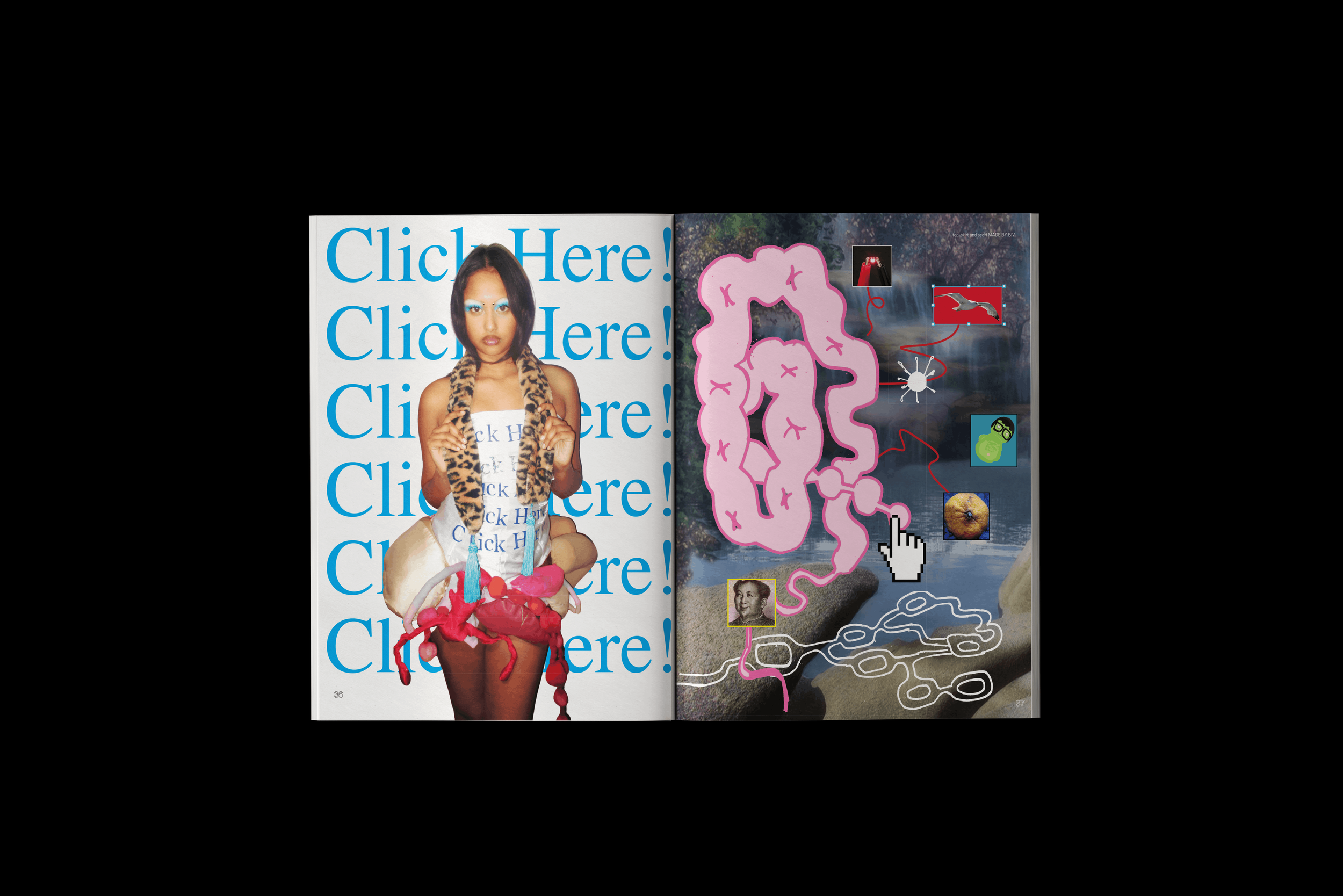
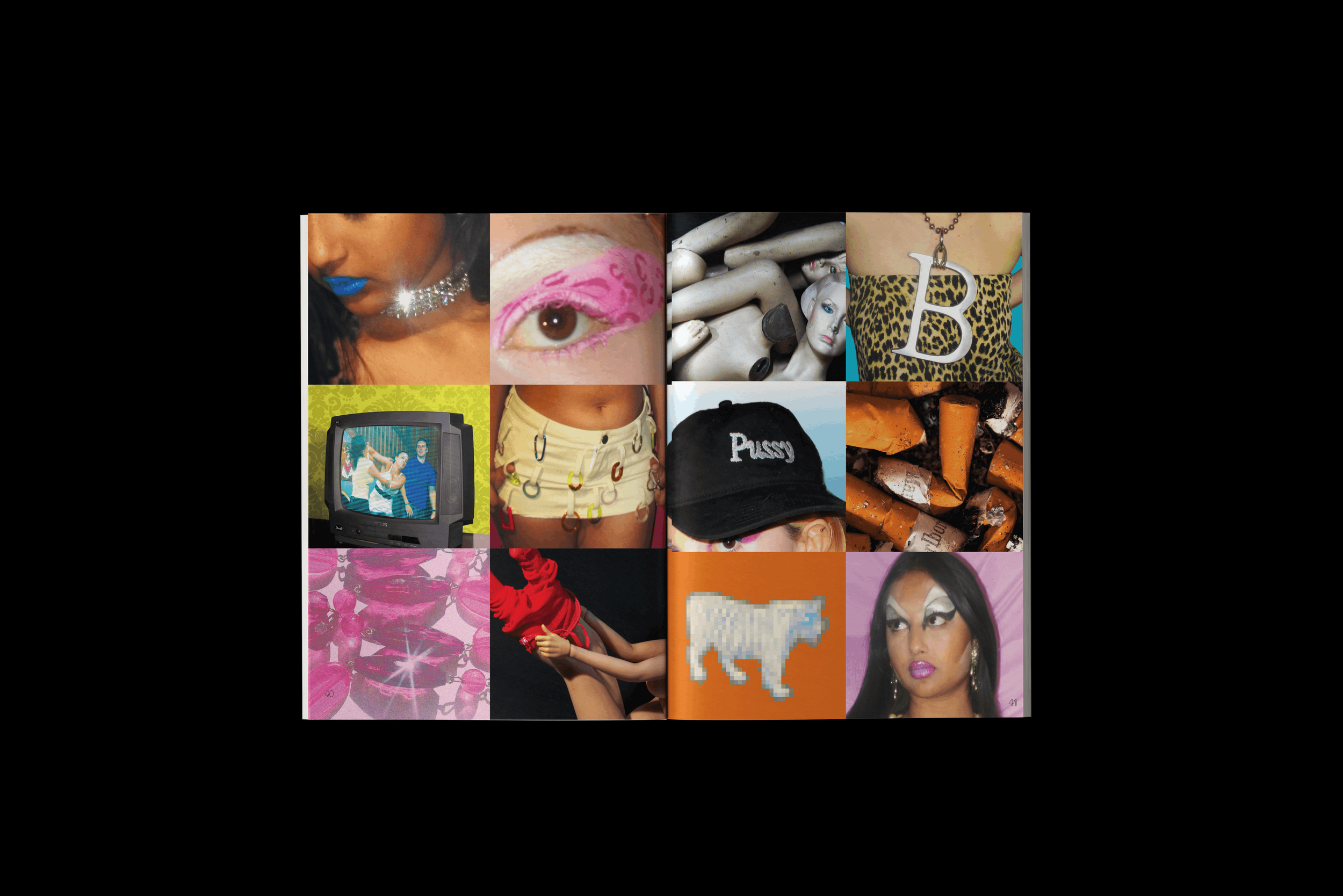
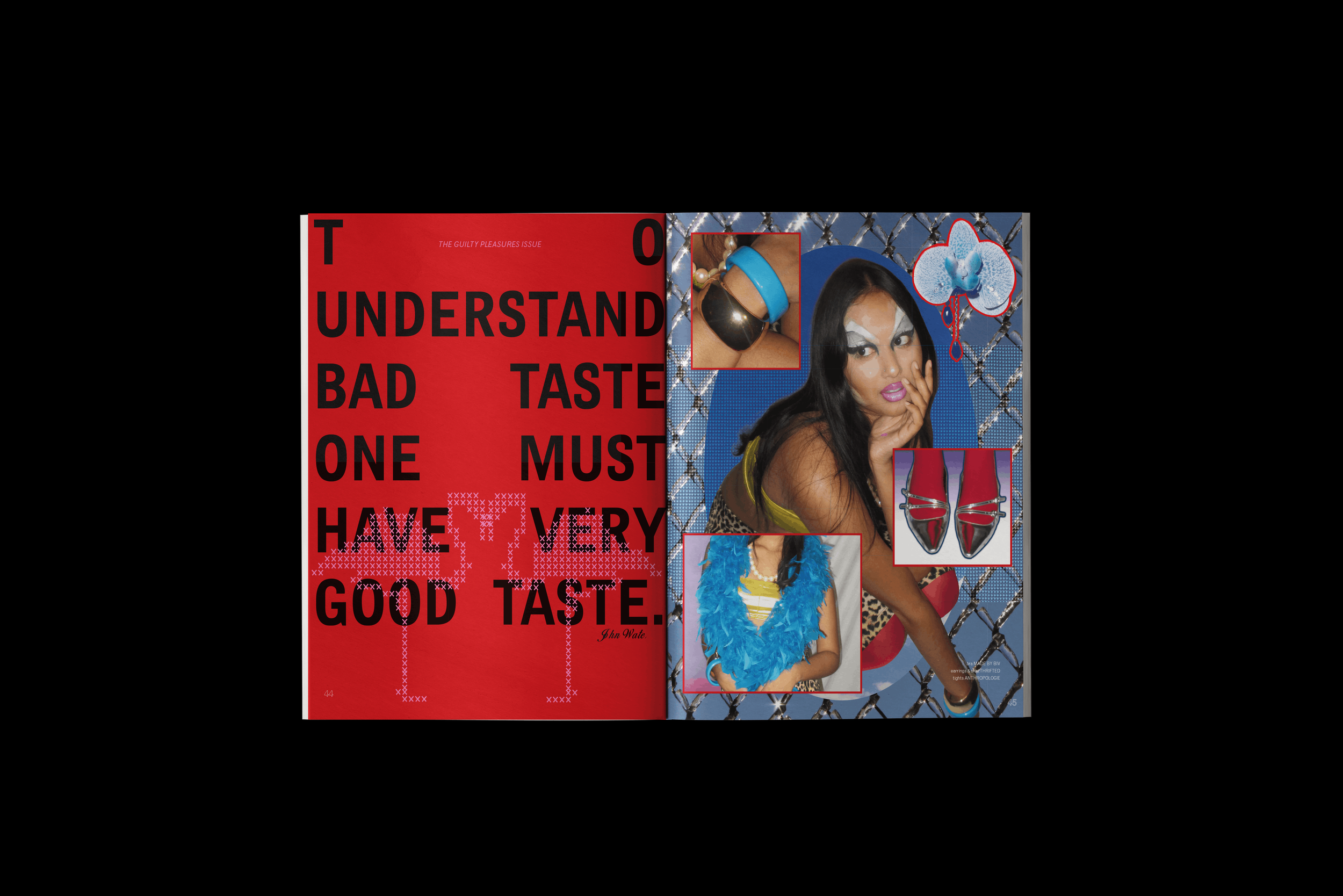
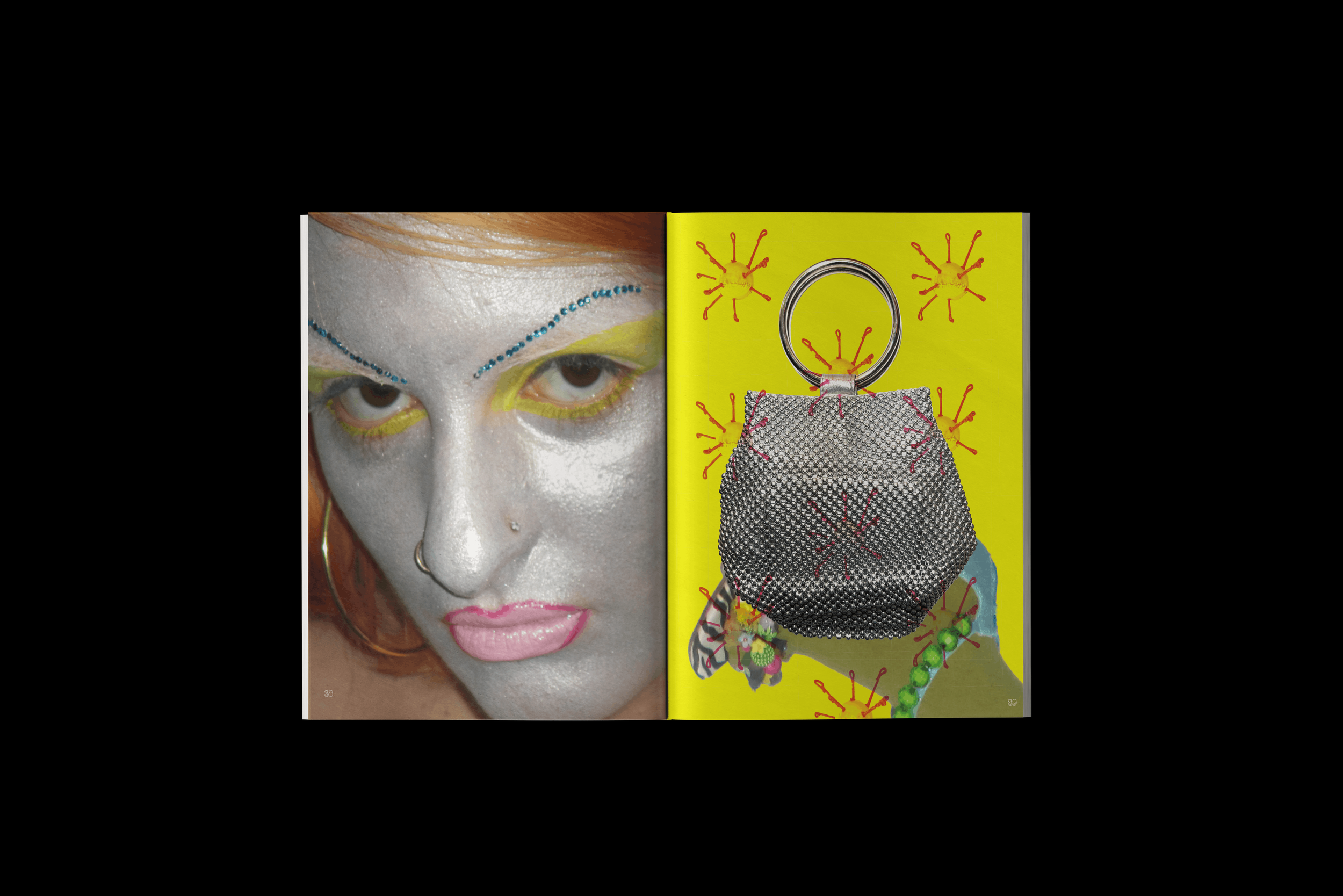
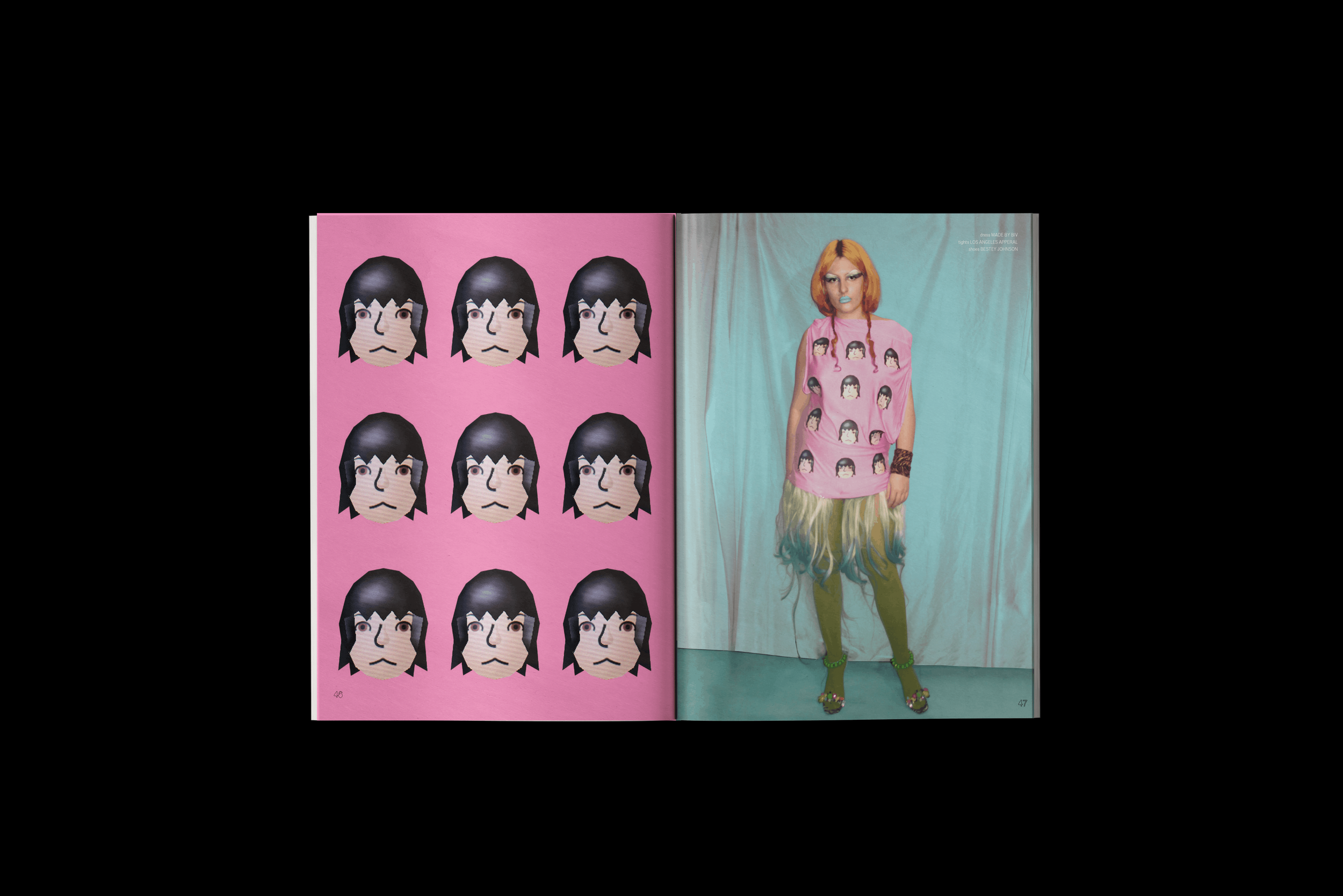
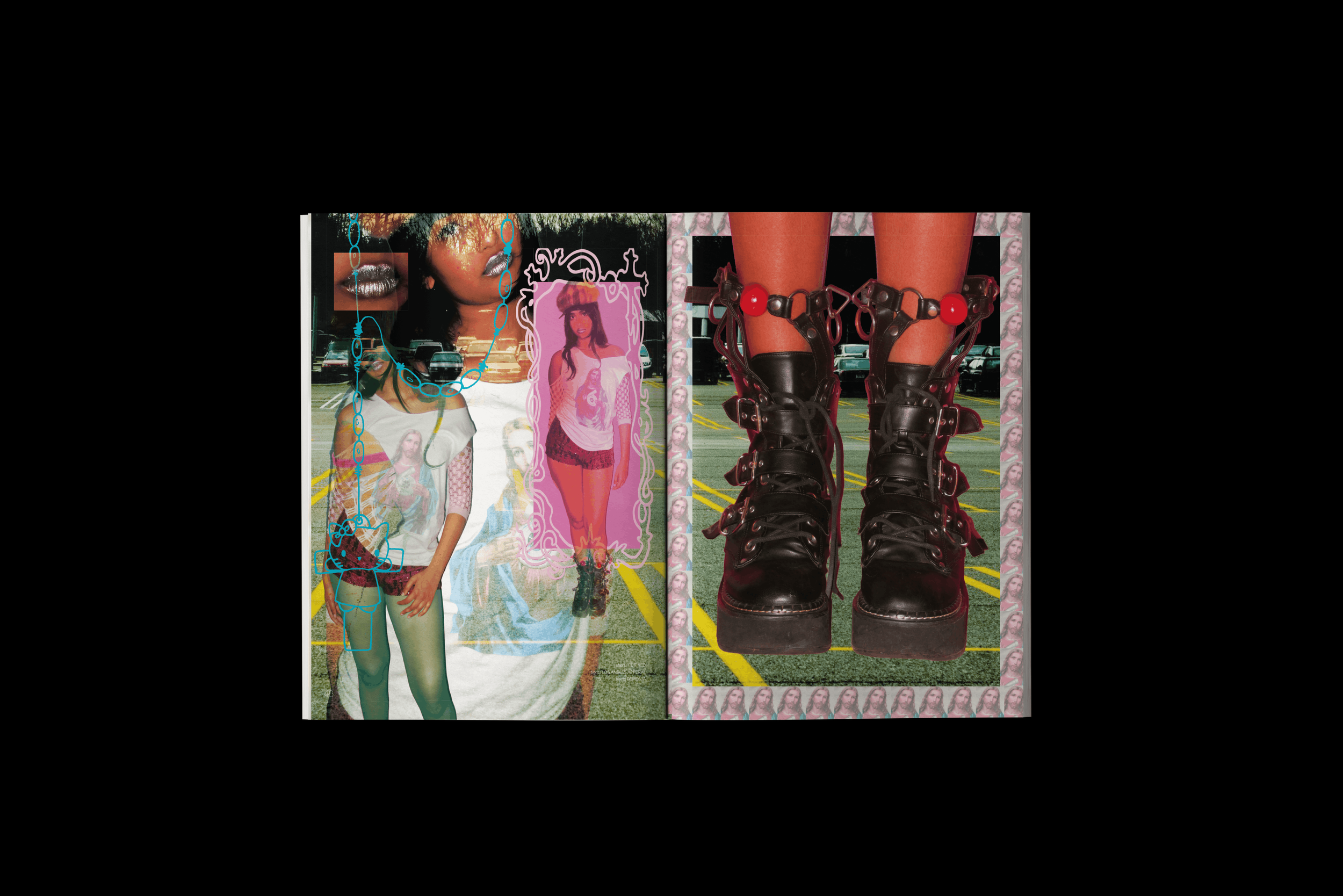
The second major article is a fashion photostory, called “In Bad Taste”, featuring looks and makeup that are either traditionally trashy or conceptually mismatched.As a major procrastinator, one of the most crucial things I took with me was the importance of allotting your time wisely at the start of big projects. The other thing I will be applying to my future process is the method of visual research I did. Because it is a fashion magazine, I approached the moodboards as I learned in my SEWN class when it comes to garment design, using physical paper cutouts, prioritizing color, pattern, texture, and taking inspiration from everyday items. I found myself returning to these boards throughout every step to build an identity for the magazine.
Photostory #2
development
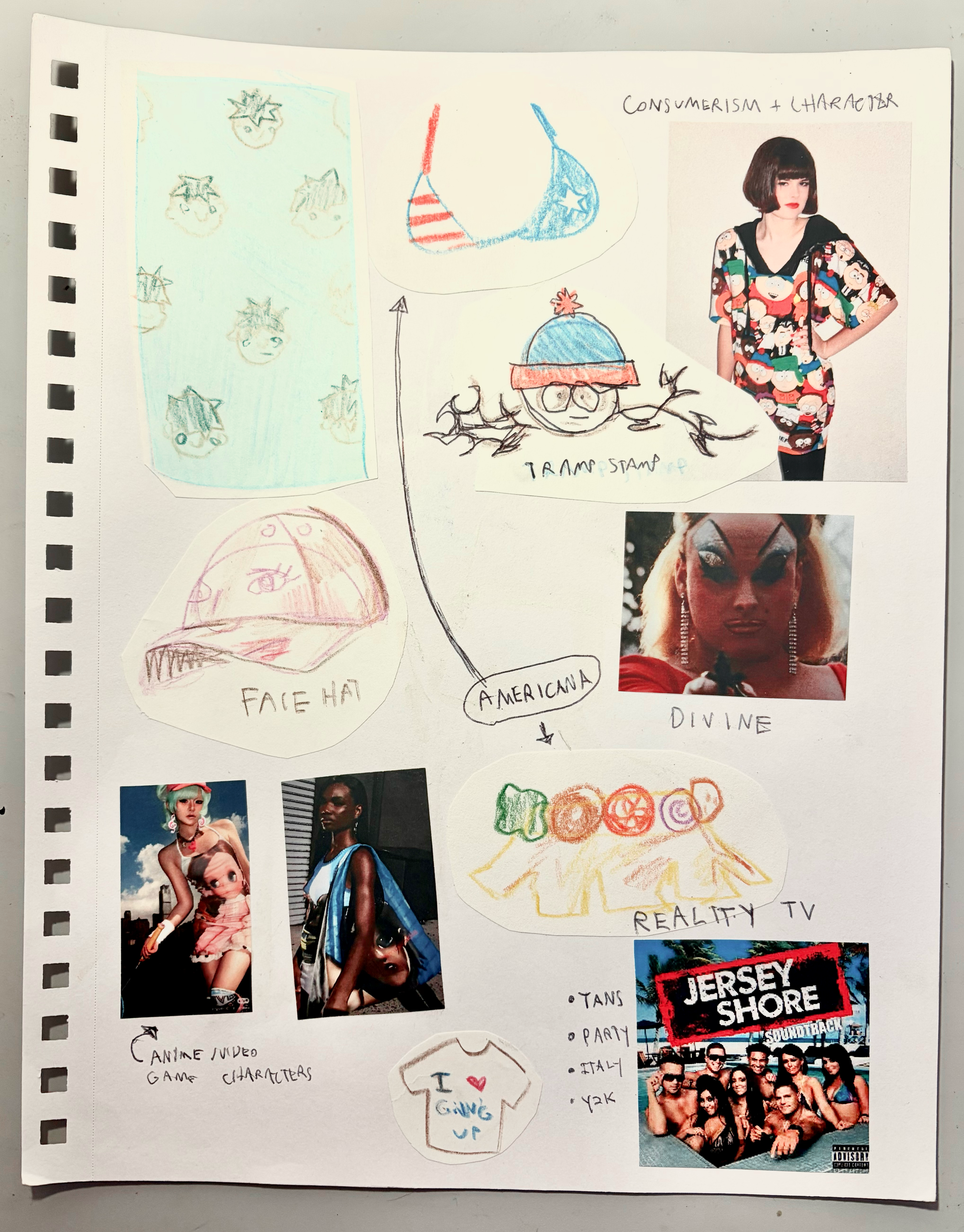
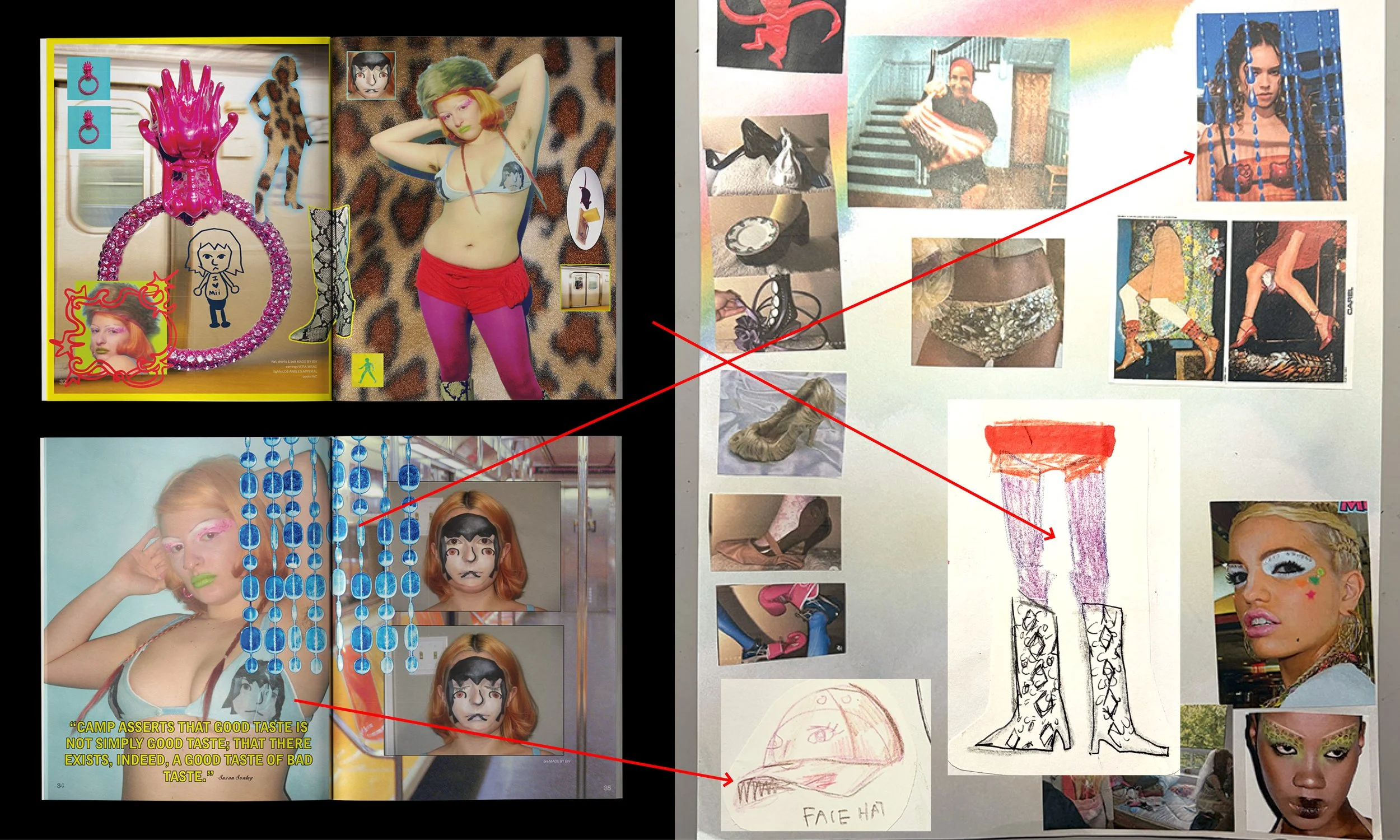
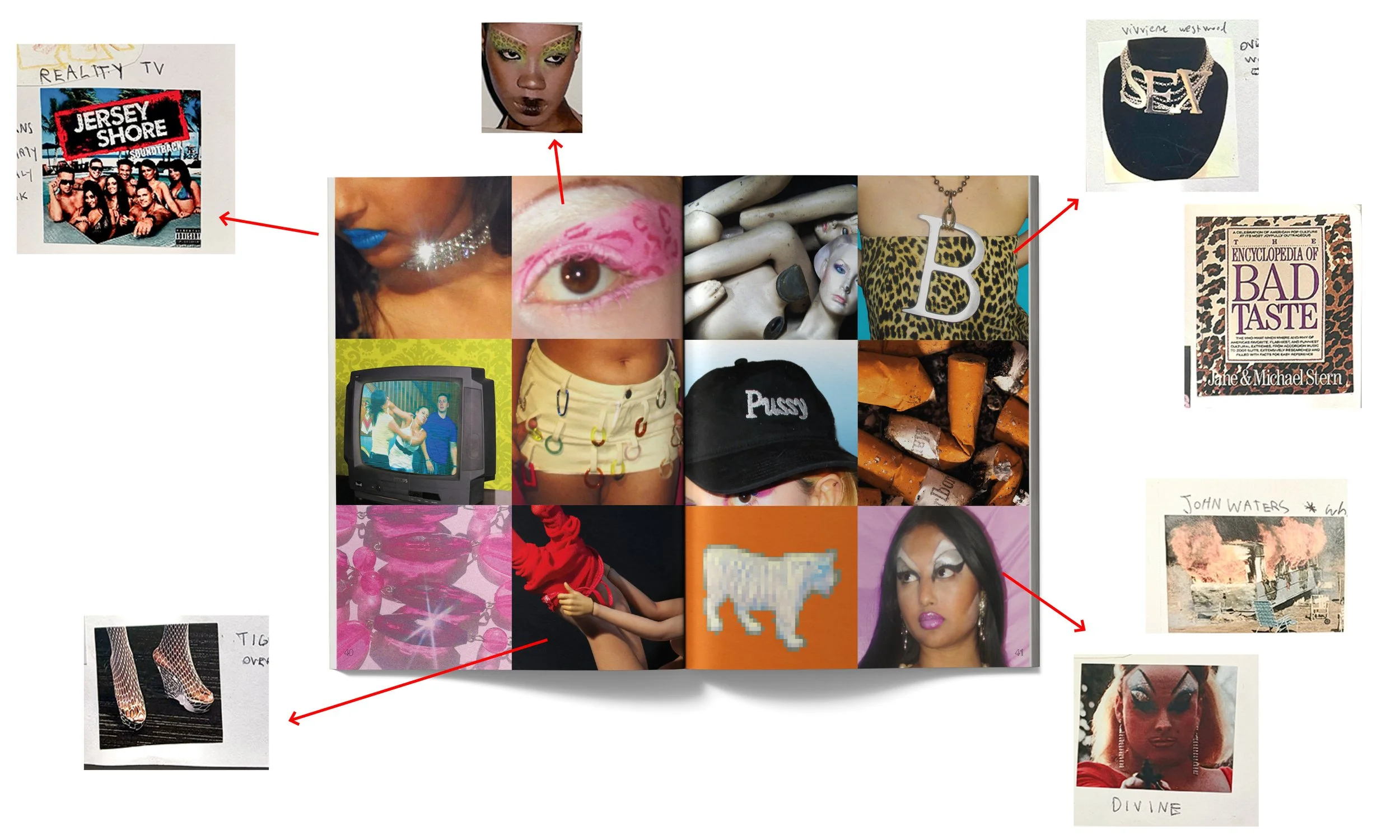
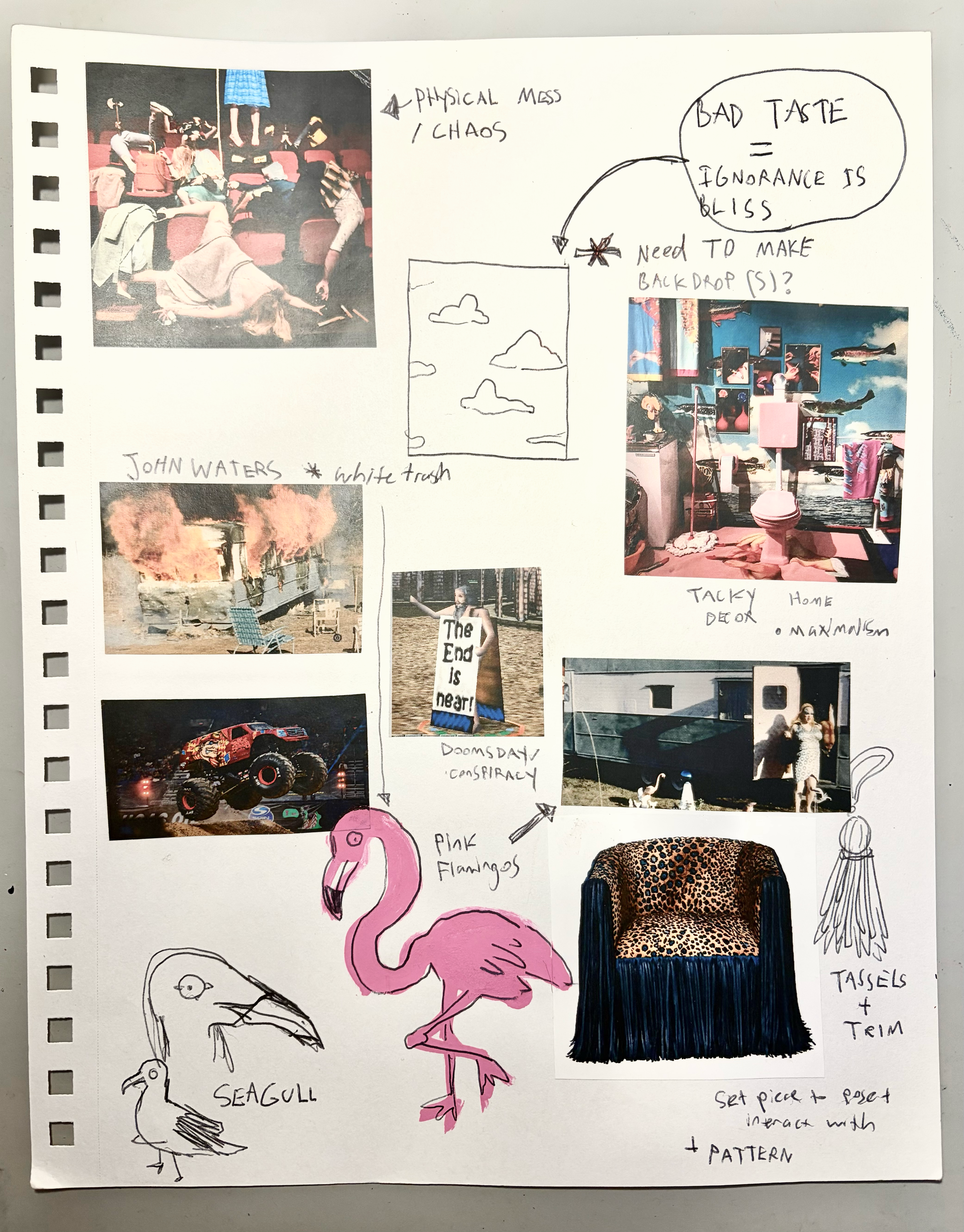
The process of creating my thesis involved a lot of physical prep work in addition to planning before I could start designing in InDesign. I was much more comfortable with a camera in high school, so I had to refamiliarize myself with iso, aperture, and shutter speed. I read through books on fashion photography to get inspiration for the right settings for indoor setups, posing, and lighting. A lot of the clothes I made myself, some I got from my closet, and other items and accessories I sourced with this project in mind. For the lighting, I rigged one of my dad's big woodshop lights as a studio light. For the sets, I put up backdrops, used furniture, and made props to build little worlds to tell the story I was trying to tell. This process was helpful for me to really think about a career in art direction, stylist assistant, or production design.
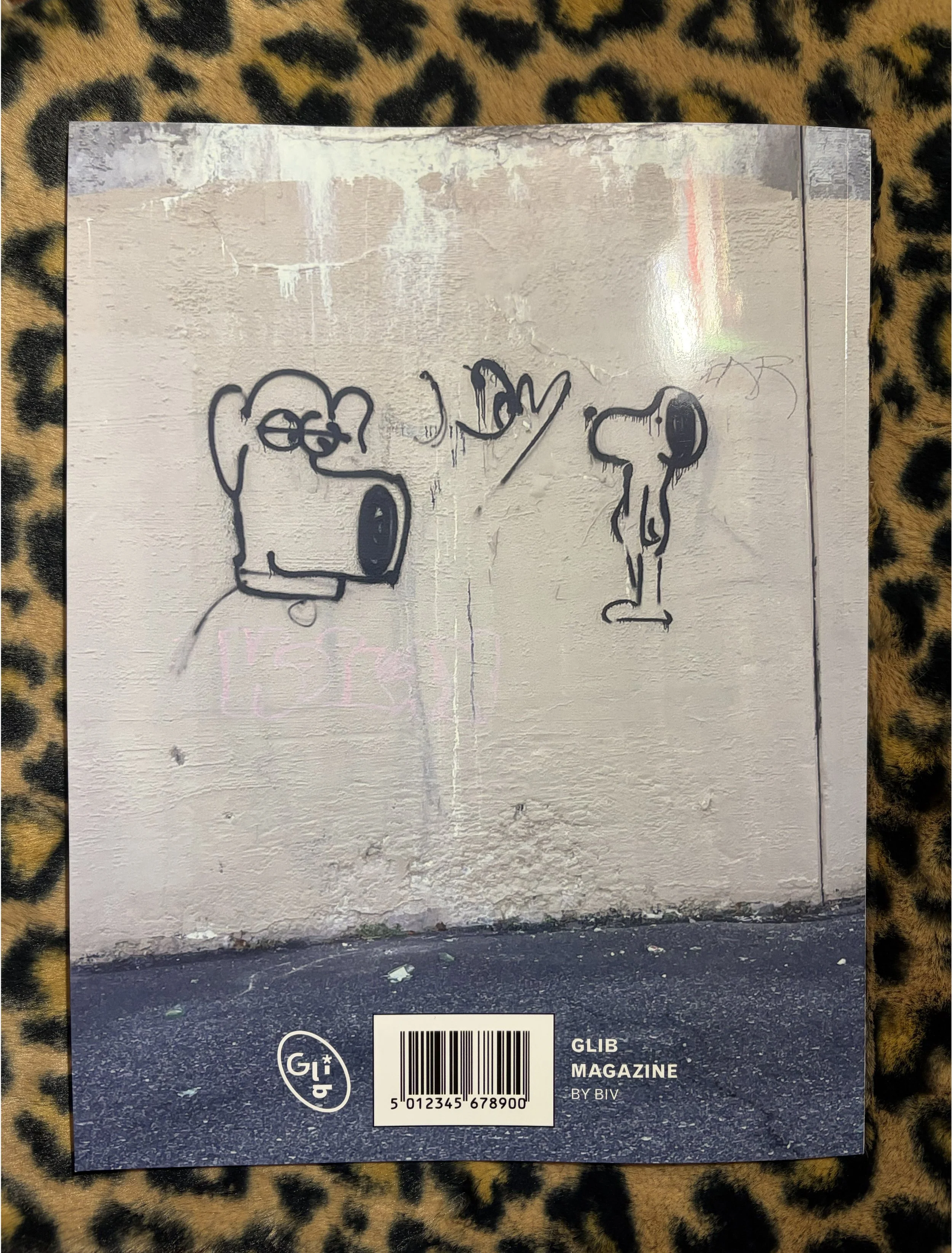
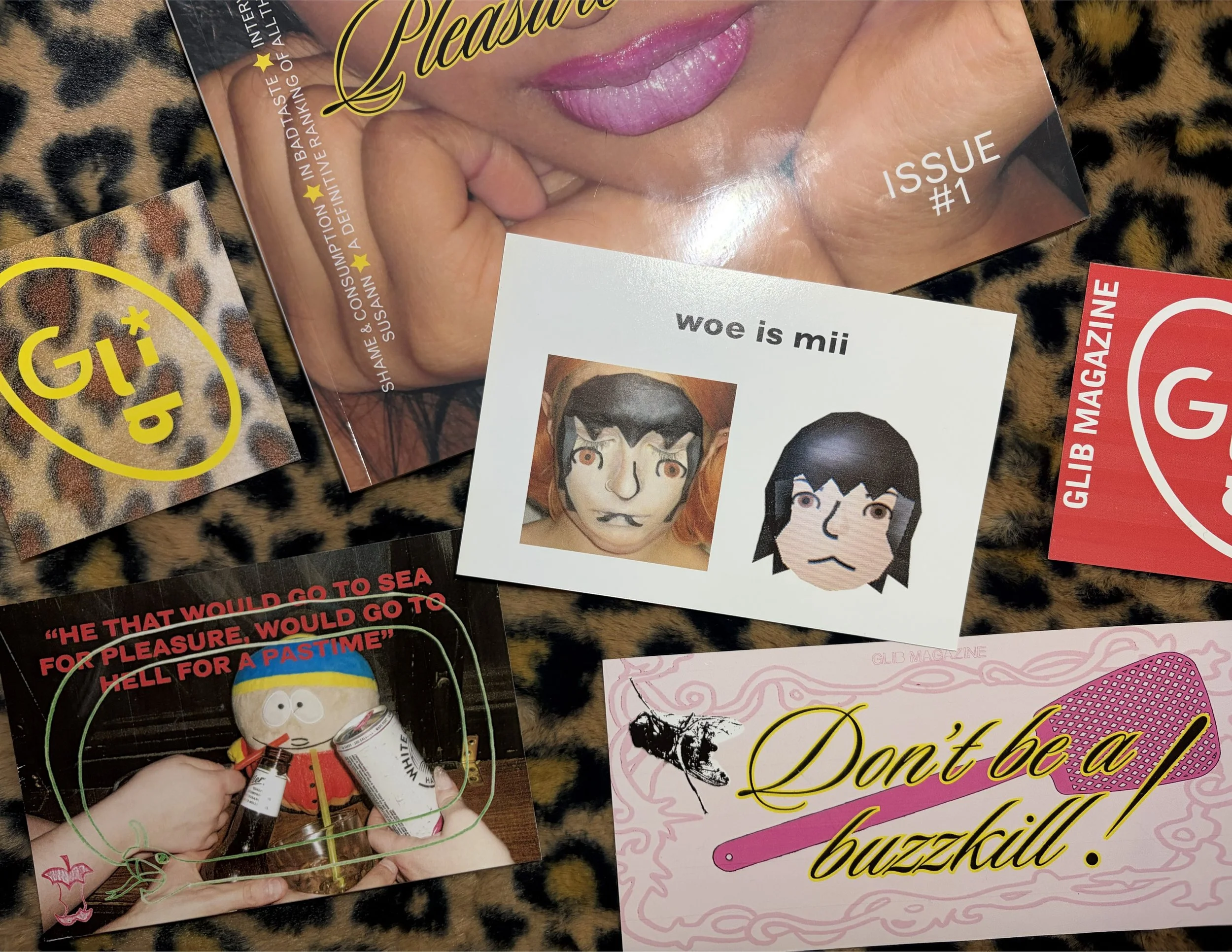
To maintain some aspect of assemblage on my part, I printed, trimmed, and installed the half pages and acetate sheets by myself. This also presented the opportunity to make some accompanying goodies for the brand in the form of stickers.